

How to advertise on Smosh Mouth: what it costs, who buys, and how to book

Dishant Miyani
Podcast Ad Analytics Head
Smosh Mouth sells its host-read inventory direct, quoted per campaign rather than off a public rate card, and almost every ad it runs is a coded direct-response read. Spotsnow data shows the direct-response share sits at the very top of the scale, which is unusual for a comedy feed. Rocket Money, the top spender, has run roughly 36 to 42 ads here and keeps coming back. For a buyer, that mix reads clearly: this is a show where the audience acts on offers, not one you buy for background awareness. Spotsnow estimates all of this from tracked advertiser activity, not audience surveys.

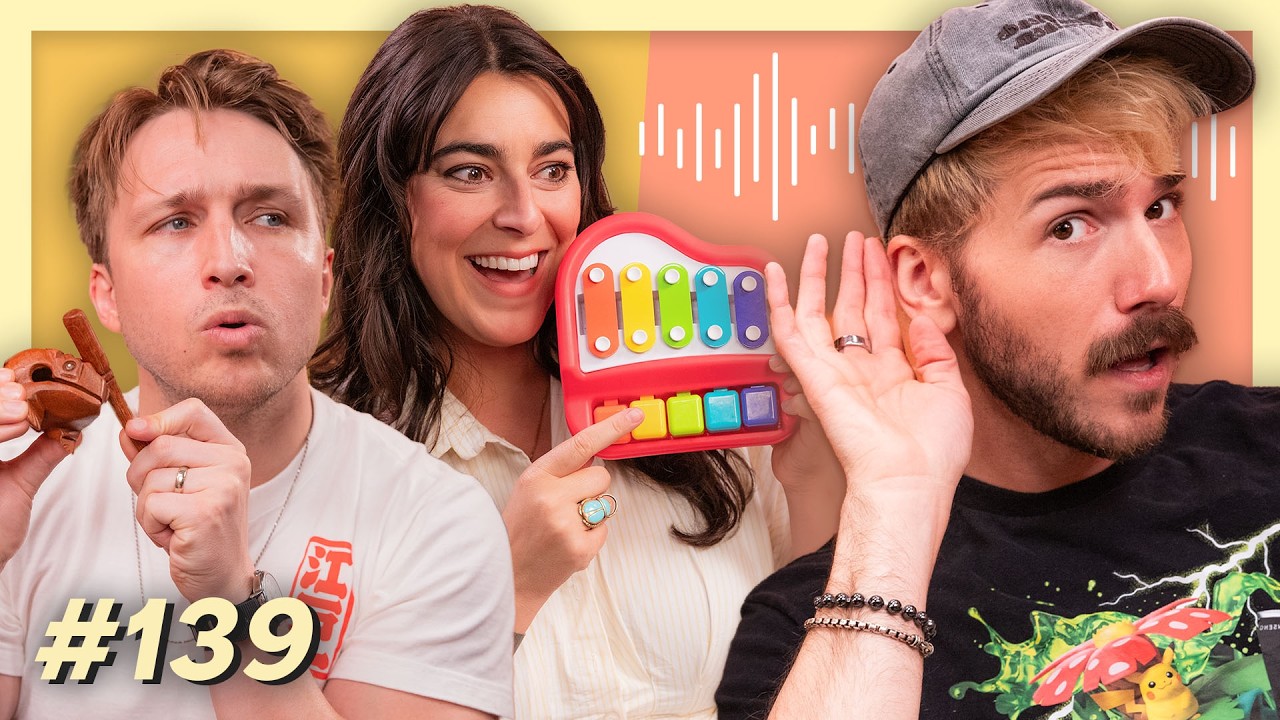
That show is Smosh Mouth, the weekly conversation feed from the Smosh comedy collective.
Why Smosh Mouth is built for host-read direct response
Shayne Topp and Amanda Lehan-Canto host, both long-running performers in the Smosh collective that Anthony Padilla and Ian Hecox founded and reacquired in 2023. The show sits in financial services territory on Spotsnow's advertiser data, which tells you a lot about who buys, but the feed itself is comedy through and through.
Spotsnow estimates the direct-response share sits at the top of the range, essentially the entire tracked ad mix. That matters because DR reads live or die on attribution: a code, a vanity URL, a promise you can measure. The reason it works on this show is the format. Topp and Lehan-Canto fold the ad into the bit, so the read holds attention through the break instead of getting skipped. A host endorsement borrows that trust. When one host ribs the other for not tracking their subscriptions, the listener is still leaning in when the URL lands. Spotsnow estimates the show reaches roughly 510,000 listeners, and that figure is an estimate, not an audited count.
The influence runs wider than the feed. Spotsnow-stored social data puts the Smosh brand at roughly 4 million Instagram followers, on top of the YouTube channel where the podcast also lives. The pull here is concentrated in an owned social footprint that the hosts built over years, which is exactly the kind of trust a coded read converts against.
Who is advertising on Smosh Mouth
The roster leans hard into direct-response performance brands: personal finance, healthcare booking, and e-commerce software, with a few mainstream produced spots mixed in. Recognizable names include Rocket Money, ZocDoc, Shopify, ZBiotics, and Progressive.
The anchor advertisers, broken down
Rocket Money

Rocket Money is a personal finance app that finds and cancels unwanted subscriptions and tracks spending. Spotsnow data shows it has run roughly 36 to 42 ads on the show, with estimated total spend over $100K, classified as direct-response. A young, budget-minded audience that lives in apps is exactly who a subscription-tracking tool wants in front of.
ZocDoc

ZocDoc runs a free app for finding and booking in-network doctors. Spotsnow data shows roughly 14 to 17 ads on the show and estimated total spend over $100K, all direct-response. The pitch fits an audience aging into managing their own healthcare for the first time, where booking friction is real and a coded link removes it.
Shopify
Shopify sells the e-commerce platform behind a large share of online stores. Spotsnow data shows roughly 7 to 8 ads and estimated total spend over $90K, mostly direct-response. An internet-native audience full of aspiring creators and side-hustlers is a natural funnel into a store builder.
The outlier: a brand-building objective can run here too
Shopify is worth a second look because it doesn't play it purely by the coded-offer book. Alongside its direct-response reads, Spotsnow attributes a small awareness component to its buy, a sign that a brand-building objective can share space with performance on this feed without either one crowding the other out.
| Brand | Est. total spend | Direct-response | Time of spend (last 1 year) |
|---|---|---|---|
| Rocket Money | over $100K | Direct-response | Nov 2025 to Jul 2026 |
| ZocDoc | over $100K | Direct-response | Nov 2025 to Jul 2026 |
| Shopify | over $90K | Mostly direct-response | Mar 2026 to Jul 2026 |
All spend figures are Spotsnow estimates.
Why comedy brands cluster here
Here's the argument a buyer should screenshot. The advertisers stacking spend on Smosh Mouth aren't comedy brands, they're performance brands buying a comedy audience, and they keep coming back because the read converts. The hosts have spent years earning the trust of a young, US-heavy internet-comedy crowd, and that trust is transferable: when Topp or Lehan-Canto endorses a subscription tracker or a doctor-booking app, the recommendation carries the same weight as the joke that preceded it. The audience mindset is the other half. This is a group that lives online, acts on offers, and treats a show-specific URL as normal, not intrusive. That's why finance, healthcare, and e-commerce software all find a home in the same feed. The category on the tin says comedy. The category in the checkout says direct response.
How your ad could sound
Rocket Money host read on Smosh Mouth
The Rocket Money read from the top spender shows the format at its best. The hook is in character: one host calls out the other, "I heard what you did... you haven't been tracking your subscriptions and expenses." That framing turns the ad into a bit before the listener realizes it's an ad. The proof point is concrete, saving users over $880 million in canceled subscriptions, and the handoff back is clean: "Back to the show." The offer repeats the vanity URL three times, which is smart for spoken attribution.
Two things to sharpen. The offer is a plain "join at" with no discount and no urgency, so there's nothing pulling the listener to act today rather than someday. And the vanity URL carries the entire attribution load with no backup code, which is fragile if a listener mishears it. The bit also runs long before the value prop lands. Tighten the setup, add a reason to move now, and back the URL with a spoken code, and the same read does more work.
View what a great sample ad looks like here.
What makes a show like this convert
- Host reads beat produced spots. The endorsement is baked into the banter, so the ad holds attention through the break instead of getting tuned out.
- The hosts carry real credibility. Topp and Lehan-Canto have years of built-up trust with the Smosh audience, and that trust transfers to whatever they recommend.
- The audience acts on offers. Spotsnow estimates a young, US-heavy, internet-native listenership that treats a coded URL as normal, which is why nearly the entire ad mix is direct-response.
- Advertisers buy again and again. Rocket Money's roughly 36 to 42 reads are the clearest proof the math works: nobody runs that many host reads on a show that doesn't return.
Smosh Mouth in a nutshell
The audience skews young, leans slightly male, is mostly middle-income, and concentrates in the US with pockets in Canada and the UK, per Spotsnow's modeled data. The brands already buying, Rocket Money, ZocDoc, and Shopify among them, run coded host reads and keep renewing. The show sells direct rather than through a large network, quoted per campaign. If your objective is trackable direct response with a young, online audience, this is a fit; if you need pure reach with no attribution, look elsewhere.
Frequently asked questions
Smosh Mouth is sold on a quoted basis rather than a public rate card. Four things move the number: placement (mid-roll host-read prices above pre-roll and post-roll), read type (a host endorsement prices above a produced spot), commitment length (multi-episode flights and category exclusivity price better than a single test), and how close you are to the air date. For market context, a host-read spot on a typical show costs a brand roughly $20 to $30 for every thousand listeners it reaches. In-demand shows clear well above that. The more useful signal for this show is who already buys: Rocket Money has run roughly 36 to 42 ads, alongside ZocDoc and Shopify. Repeat buying at that level tells you more about where a show prices, and what it's worth to the brands buying it, than an outside estimate can.
Ads run on most episodes, so the show is in demand and inventory moves fast. Plan on reaching out sooner than you think you need to.
About 1 week to book, 2 to 3 weeks to produce and run, plus 2 to 3 weeks of lead time, so roughly 5 to 7 weeks end to end.
Smosh Mouth is sold direct rather than through one of the large networks. You can approach the Smosh team, or book through a platform that already has the show in its inventory. You can view different advertising platforms here.
Almost certainly the closest comparison is already there. Spotsnow data shows nearly the entire tracked ad mix is direct-response, spanning personal finance, healthcare booking, and e-commerce software. If you sell an app or a subscription with a trackable offer, you'd be in familiar company.
Smosh Mouth isn't the only feed reaching this audience. Spotsnow shows which comedy podcasts have host-read spots open right now, and which brands already buy them.
Get on the last minute spots email list.
Find incredible discounts and opportunities on premium shows.
Get on the last minute spots email list.
Find incredible discounts and opportunities on premium shows.