

How to advertise on Barely Famous: what it costs, who buys, and how to book

Abhishek Thory
Founding Team, Podcast Ad Data & Research
Spotsnow attributes a direct-response share of roughly 98% to the tracked ad activity on this show, which tells you almost everything about how it sells. Host-read inventory here is quoted per campaign, not pulled off a public rate card, and it moves through Kail Lowry's own representation rather than a big network. The steadiest anchor, Boll & Branch, has run roughly 12 to 14 ads. For a buyer, that mix reads as a performance feed: coded links, promo codes, and attribution, not a brand halo. Spotsnow estimates all of this from tracked advertiser activity, not audience surveys.

That's Barely Famous, hosted by Kail Lowry, and the rest of this breaks down who buys, how it converts, and how you'd book it.
Why Barely Famous is built for host-read direct response
Kail Lowry hosts, the former MTV "16 and Pregnant" and "Teen Mom 2" figure who turned reality fame into a media business and founded the Killr Network. The show sits in online media for its anchor advertiser, under a society and culture feed.
The direct-response share sits near 98%, per Spotsnow. That's the whole thesis. Brands here want a code read out loud, a URL a listener types, and a way to trace the sale back to the episode. Spotsnow estimates reach at roughly 115,000 listeners per episode, and calls that an estimate, not an audited count.
The format is what makes the coded read work. Kail talks through her own life mid-episode, so when she hands off to a sponsor it lands in the same confessional register as the rest of the show. Attention doesn't drop at the ad break the way it does on a produced spot, and a host-read borrows exactly that carried-over trust. Listeners already feel like they know her; the endorsement rides on that.
On influence, the pull is concentrated in the host, not spread thin across platforms. Kail's Instagram following sits around 4.6 million, per Spotsnow social data, and the engagement lives in that direct, in-feed relationship. A brand buying here is renting that one-to-one credibility, which is why coded offers convert off it.
Who is advertising on Barely Famous
The roster leans DTC and services aimed at a young, female, US audience, with a few big mainstream names buying reach on top. Recognizable brands in the recent window include Shopify, American Express, Mint Mobile, Progressive, and Lowe's. Spotsnow tracked roughly 84 to 98 advertisers across the recent window.
The anchor advertisers, broken down
Talkiatry
Talkiatry sells in-network psychiatric care by video, telehealth for people who want a real prescriber, not a chatbot. Spotsnow shows a handful of host reads, roughly 5 to 5 ads, with estimated total spend over $10K, classed mostly as direct-response. It fits because mental health is a running, unforced topic on this show, so a therapy pitch doesn't feel bolted on.
Boll & Branch
Boll & Branch sells organic-cotton luxury bedding direct to consumers. It's the steadiest repeat buyer in the set, with roughly 12 to 14 ads and estimated total spend over $10K, all direct-response, per Spotsnow. Home comfort and better sleep map cleanly onto a female audience that's furnishing homes and running households.
Activations

Activations is a personal-development audio app, guided meditations and motivational audio you play through the day. Spotsnow shows roughly 5 to 5 ads, estimated total spend over $10K, mostly direct-response. The self-improvement pitch fits a listener who follows Kail partly for the mindset and self-work she talks through on air.
Progressive, the awareness outlier
Progressive shows up more often than anyone, but almost entirely as produced spots, not host reads. It's the counter-example: a large mainstream brand buying reach and association here rather than a coded response, which proves an awareness play can ride the same feed if that's your objective.
| Brand | Est. total spend | Direct-response | Time of spend (last 1 year) |
|---|---|---|---|
| Talkiatry | over $10K | Direct-response (majority) | Spring to late summer 2026 |
| Boll & Branch | over $10K | Direct-response | Late 2025 through mid-2026 |
| Activations | over $10K | Mostly direct-response | Mid-2026 |
All spend figures are Spotsnow estimates.
Why society and culture brands cluster here
The advertiser mix isn't random. Therapy, luxury sheets, and a mindset app all target the same person: a woman in her twenties or thirties, solidly middle to upper-middle income with a real high-income slice, mostly in the US. Kail's authority with that person is specific. She has talked openly about mental health, money, motherhood, and self-work for years, so a Talkiatry read or an Activations pitch lands as a recommendation from someone who's been in the same seat, not an interruption. That's the mechanism a performance buyer is paying for. The audience treats her endorsement as a peer's, which is why a code read in her voice pulls harder than the same code in a produced 30-second spot. Home, beauty, wellness, and finance brands cluster here because the demographic and the trust line up at the same time.
How your ad could sound
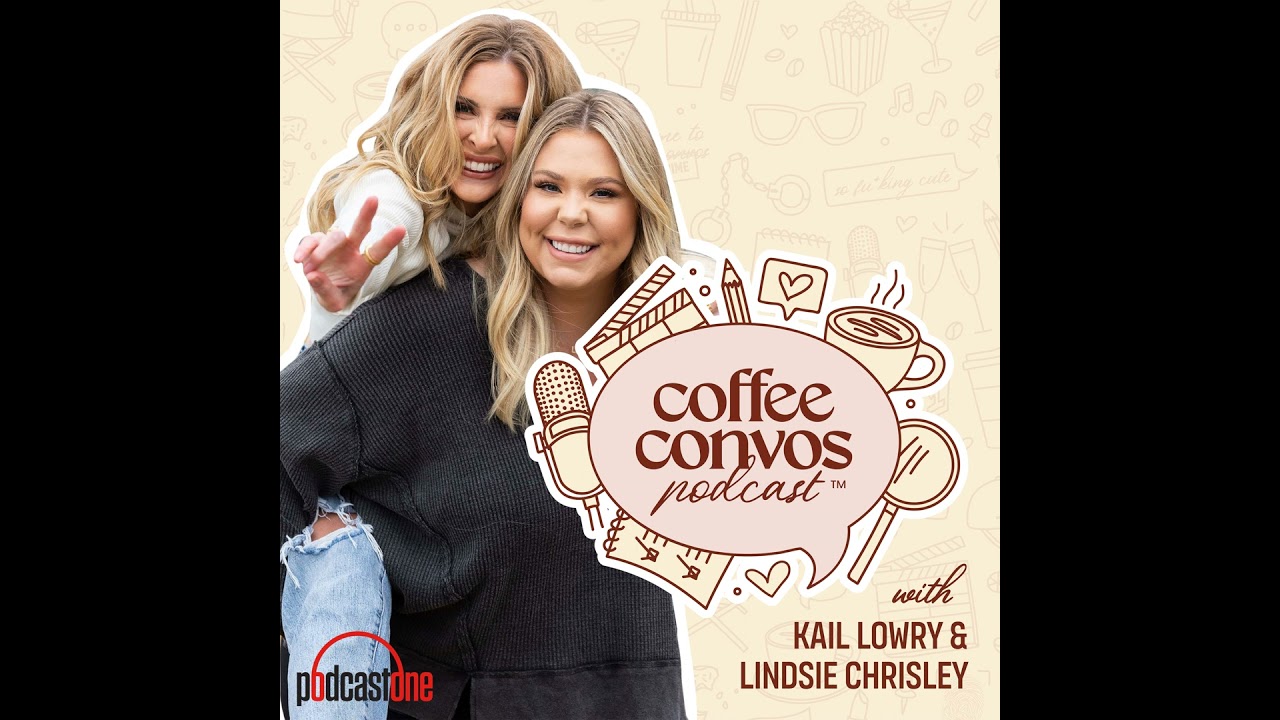
Kail Lowry's host-read for Green Chef on Barely Famous
The Green Chef read is a clean template for this feed. What works: Kail opens with "I am just a regular person cooking every day healthy meals," which frames the product through her own routine instead of a script. She names the exact dishes she ordered, hands off naturally to her co-host, and lands a clear offer, "60 off plus free shipping." That's the personal hook, the specific detail, and the clean deal a DR buyer wants.
Two things to tighten. The code gets spoken fast and doubled up, "combo 60" then something that sounds like "combo 6C," and any ambiguity in a spoken promo code costs you conversions when the listener can't hear it cleanly. There's also no urgency window, no reason to act now rather than later. Ask for the code on screen or in the show notes, and add a deadline. Keep the personal open; that part sells.
View what a great sample ad looks like here.
What makes a show like this convert
- The host-read format carries attention through the break. Kail's confessional style means the ad sits in the same voice as the show, so listeners don't tune out at the handoff.
- Host credibility does the selling. A Teen Mom-to-media-founder arc and a 4.6 million Instagram following give her endorsement real weight with this audience.
- The audience is narrow and high-intent. Young, female, US-concentrated, with income to spend, it's a clean target for beauty, wellness, home, and finance DTC.
- Repeat buying proves the math works. Boll & Branch came back for roughly 12 to 14 ads, and brands don't re-buy host reads unless the coded results justify it.
Barely Famous in a nutshell
Listeners skew young, female, and US-based, with the income to act on an offer. The brands already buying, Talkiatry, Boll & Branch, and Activations, run coded host reads, while a name like Progressive uses produced spots for reach. The show is sold on a quoted, per-campaign basis through the host's own representation, not a large network. If your objective is coded, trackable response, this is a direct-response feed first; awareness buyers can still ride it, but they're the minority here.
Frequently asked questions
Barely Famous is sold on a quoted basis rather than a public rate card. Four things move the number: placement (mid-roll host-read prices above pre-roll and post-roll), read type (a host endorsement prices above a produced spot), commitment length (multi-episode flights and category exclusivity price better than a single test), and how close you are to the air date. For market context, a host-read spot on a typical show costs a brand roughly $20 to $30 for every thousand listeners it reaches. In-demand shows clear well above that. The more useful signal for this show is who already buys: Talkiatry has run a handful of reads, roughly 5 to 5 ads, alongside Boll & Branch and Activations. Repeat buying at that level tells you more about where a show prices, and what it's worth to the brands buying it, than an outside estimate can.
Ads run on most episodes, so the show is in demand and inventory moves fast. Plan on reaching out sooner than you think you need to.
Plan on about 1 week to book, 2 to 3 weeks to produce and run, plus 2 to 3 weeks of lead time, so roughly 5 to 7 weeks end to end.
Barely Famous is sold direct rather than through one of the large networks. You can approach the host's representation, the Killr Network, or book through a platform that already has the show in its inventory. You can view different advertising platforms here.
Yes. Spotsnow attributes a direct-response share near 98% to the show, and its repeat buyers, Boll & Branch, Talkiatry, and Activations, all run coded host reads. If you're a DTC brand tracking promo codes and URLs, the roster is already built for you.
Barely Famous isn't the only feed reaching this audience. Spotsnow shows which society and culture podcasts have host-read spots open right now, and which brands already buy them.
Get on the last minute spots email list.
Find incredible discounts and opportunities on premium shows.
Get on the last minute spots email list.
Find incredible discounts and opportunities on premium shows.