

How to advertise on Waveform: The MKBHD Podcast: what it costs, who buys, and how to book

Keshav Bagaade
Podcast Advertising Data Lead
Spotsnow attributes about 98 percent of the ad activity on Waveform to direct-response formats, which tells you most of what you need to know before a single call. This is a host-read feed, sold per campaign rather than off a public rate card, and it moves through the Vox Media Podcast Network. The anchor advertiser, Framer, has run roughly 9 to 11 ads over the last year, and it keeps coming back. For a buyer weighing this show, that repeat pattern is the signal: brands don't rebook a feed that doesn't convert. Spotsnow estimates all of this from tracked advertiser activity, not audience surveys.

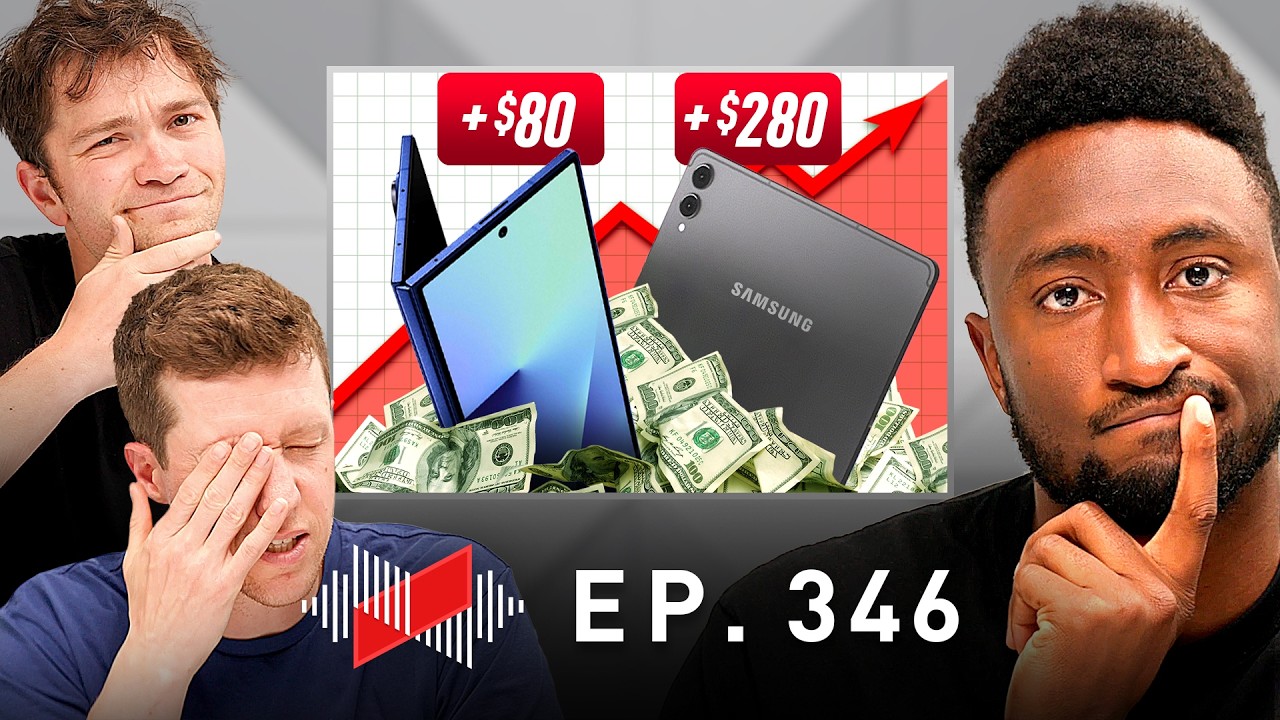
The show in question is Waveform: The MKBHD Podcast, a weekly tech-review roundtable hosted by Marques Brownlee with Andrew Manganelli and David Imel.
Why Waveform is built for host-read direct response
Marques Brownlee (MKBHD) is one of the most-watched consumer-tech reviewers online, and Waveform is the audio extension of that authority. The show sits in the information technology and services advertiser lane, which is exactly where its roster clusters.
With about 98 percent of ads running as direct response, per Spotsnow, this feed is built for codes, vanity URLs, and clean attribution. That matters because of how the show carries attention. The format is conversational and unhurried, three hosts talking through a product in detail, so when the read arrives it lands in the same voice the audience already trusts. A host-read borrows that credibility. Spotsnow estimates reach at roughly 380,000 listeners per episode, an estimated figure, and that audience skews young and male, tech-professional, and concentrated in the US, with above-average earning power.
The influence shows up in the reviews. Apple Podcasts lists a 4.7 rating across roughly 5,700 to 6,300 ratings, and the show carries around 42,000 followers on Instagram. The strongest engagement is in the feed itself, where a Brownlee endorsement reads with review-grade weight rather than as a produced spot.
Who is advertising on Waveform
The roster runs roughly 111 to 129 tracked brands over the last three months, per Spotsnow, and it leans hard toward SaaS and big consumer tech. Recognizable names in the mix include Shopify, Verizon, Google Pixel, LinkedIn, and BetterHelp.
The anchor advertisers, broken down
Framer
Framer sells a web-based platform for building sites and prototypes with little code. Spotsnow tracks roughly 9 to 11 ads and estimated total spend over $100K, classified direct-response, roughly half of it host-read. It fits because Waveform's audience is full of designers and builders who ship product, the exact people who try a new web tool on a whim.

Shopify
Shopify is the commerce platform for building and running online stores. Spotsnow tracks roughly 6 to 7 ads and estimated total spend over $70K, direct-response, with several reads voiced by the hosts. The pitch of turning a side idea into a business maps neatly onto a young, entrepreneurial tech crowd.

Chef IQ
Chef IQ sells smart cookers and connected kitchen gear. Spotsnow tracks roughly 3 to 3 ads, all host-read, with estimated total spend over $60K, classified direct-response. A gadget brand fits a gadget-review audience almost by definition, which is why a small, focused buy works here.
The awareness outlier
Not everyone here is chasing a code. Big brands like Verizon and Disney+ show up frequently with produced spots and no host-read, per Spotsnow, which tells you the feed also works as a reach play for advertisers buying association over attribution.
| Brand | Est. total spend | Direct-response | Time of spend (last 1 year) |
|---|---|---|---|
| Framer | over $100K | Yes, host-read | Through Aug 2026 |
| Shopify | over $70K | Yes, host-read | Through Aug 2026 |
| Chef IQ | over $60K | Yes, host-read | Through Jun 2026 |
All spend figures are Spotsnow estimates.
Why technology brands cluster here
Waveform sells something most tech feeds can't: a host whose day job is telling millions of people which gadget to buy. When Brownlee and his co-hosts vouch for a tool, they are speaking to an audience that already treats their reviews as a purchase filter. That's why the roster tilts toward SaaS and hardware. A designer hearing about Framer, a founder hearing about Shopify, a home cook hearing about Chef IQ, all of them are in a buying mindset the moment the read starts. The audience skews young, male, and high-earning, which is the demographic productivity and web-tool brands fight hardest to reach. Add the direct-response format on top, and you get coded conversion from an audience that trusts the source. That combination, not raw reach, is why brands repeat-buy this feed.
How your ad could sound
Shopify host-read on Waveform
The Shopify read is a clean example of the format. It opens on a personal hook, "what if, given the right tools, I really put my all into this?" which frames the product around the listener's own idea instead of a feature dump. The handoff back into the episode is natural too, a simple "All right, welcome back." The offer is single and specific, a $1 per month trial, which is exactly what a direct-response spot should carry.
Two things are worth tightening. The vanity URL is read aloud as "shopify.com/wwayform" and repeated three times without ever being spelled, which risks burying the code for anyone typing it in from memory. And the offer has no deadline, so there's no reason to act now rather than later. A spelled-out code and a light urgency line would lift the conversion without touching the tone that makes the read work.
View what a great sample ad looks like here.
What makes a show like this convert
- The format does the selling. A host-read in a conversational review show inherits the trust of the review itself, so the ad break doesn't feel like a break.
- Host credibility is the product. Marques Brownlee is a career tech reviewer, and a 4.7 rating across thousands of Apple ratings shows the audience takes his word seriously.
- The audience is a buying audience. Spotsnow estimates roughly 380,000 listeners per episode who skew young, male, and high-earning, the people SaaS and gadget brands most want in front of.
- Repeat buying proves the math. Framer's roughly 9 to 11 ads, per Spotsnow, alongside Shopify and Chef IQ coming back, is the clearest evidence the reads pay for themselves.
Waveform in a nutshell
Waveform reaches an estimated audience of tech-professional listeners who skew young, male, and above-average earners, concentrated in the US. Framer, Shopify, and Chef IQ already buy here, mostly on host-reads voiced by the hosts, and the roster leans heavily toward SaaS and consumer tech. The show is sold per campaign through the Vox Media Podcast Network, not off a public rate card. With about 98 percent of ads running as direct response, per Spotsnow, it suits coded conversion campaigns first, though big brands run awareness spots here too.
Frequently asked questions
Waveform is sold on a quoted basis rather than a public rate card. Four things move the number: placement (mid-roll host-read prices above pre-roll and post-roll), read type (a host endorsement prices above a produced spot), commitment length (multi-episode flights and category exclusivity price better than a single test), and how close you are to the air date. For market context, a host-read spot on a typical show costs a brand roughly $20 to $30 for every thousand listeners it reaches. In-demand shows clear well above that. The more useful signal for this show is who already buys: Framer has run roughly 9 to 11 ads, alongside Shopify and Chef IQ. Repeat buying at that level tells you more about where a show prices, and what it's worth to the brands buying it, than an outside estimate can.
Ads run on most episodes, so the show is in demand and inventory moves fast. Plan on reaching out sooner than you think you need to.
Plan on about 1 week to book, 2 to 3 weeks to produce and run, plus 2 to 3 weeks of lead time, so roughly 5 to 7 weeks end to end.
Waveform is sold through the Vox Media Podcast Network. You can approach them directly, or book through a platform that already has the show in its inventory. You can view different advertising platforms here.
It's one of the clearest fits in tech. The roster is anchored by Framer and Shopify, and the audience skews toward designers, builders, and tech professionals, so software brands running coded direct response tend to see the feed reward repeat buys.
Waveform: The MKBHD Podcast isn't the only feed reaching this audience. Spotsnow shows which technology podcasts have host-read spots open right now, and which brands already buy them.
Get on the last minute spots email list.
Find incredible discounts and opportunities on premium shows.
Get on the last minute spots email list.
Find incredible discounts and opportunities on premium shows.