

How to advertise on The Rest Is Politics: what it costs, who buys, and how to book

Sargam Poudel
Head of Podcast Ad Intelligence
The Rest Is Politics sells its host-read inventory on a quoted, per-campaign basis through Goalhanger Podcasts, never off a public rate card. Spotsnow attributes a direct-response share above 97 percent of ads on the show, which makes this close to a pure conversion feed. Its top spender, Fuse Energy, has run roughly 21 to 24 host-read ads here. For a buyer weighing the show, that mix says one thing: this is a place brands come back to because the reads pay out, not a reach play they run once. Spotsnow estimates all of this from tracked advertiser activity, not audience surveys.

You can see the full profile for The Rest Is Politics on Spotsnow.
Why The Rest Is Politics is built for host-read direct response
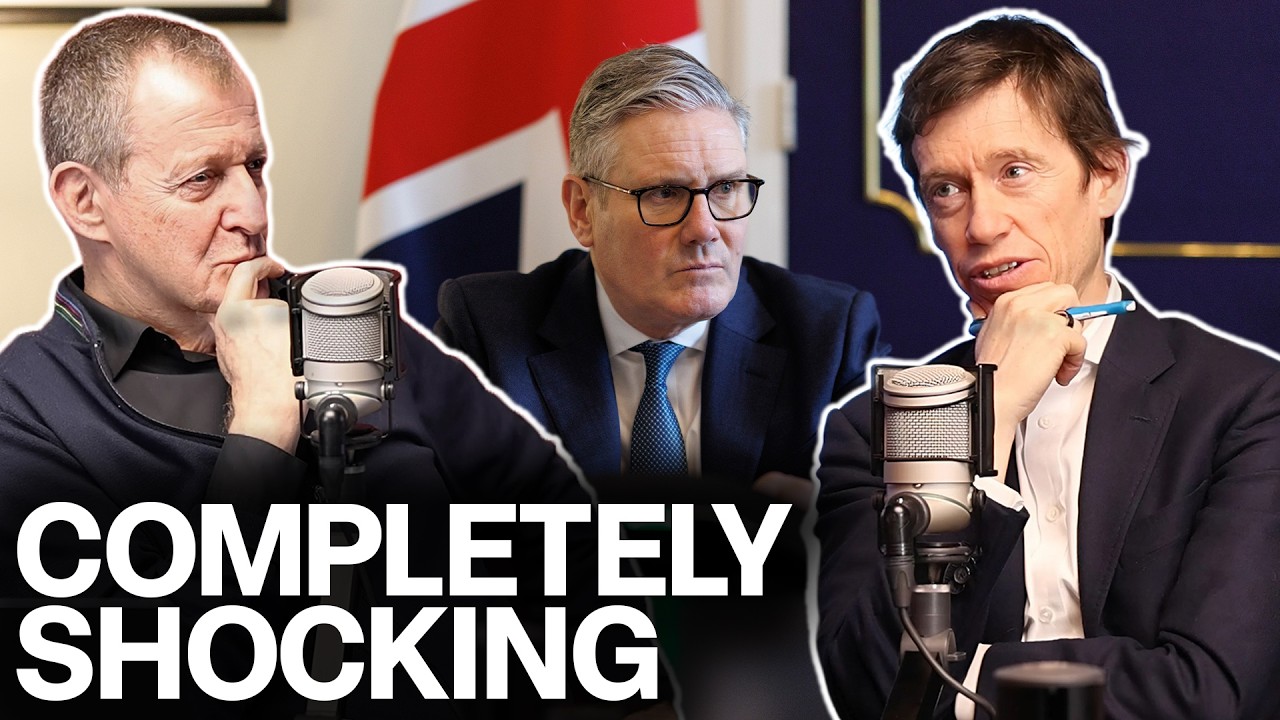
Alastair Campbell, former Downing Street Director of Communications and Strategy, and Rory Stewart, former Conservative MP and cabinet minister, host the show. It sits in the information technology & services advertiser mix at the top of the roster, but the show itself lives in government and politics.
Spotsnow attributes a direct-response share above 97 percent here. That's the whole story of how the show sells. Codes, switch URLs, and coupon attribution do the heavy lifting: Fuse Energy runs the code "politics," and a buyer can trace a redemption straight back to the read. Spotsnow estimates reach at roughly 240,000 listeners per episode, an estimate, not an audited count.
The format is what makes coded reads land. Campbell and Stewart talk through the ad the way they talk through a foreign-policy briefing, in their own voices, so the break doesn't snap the listener out of the episode. That sustained attention is exactly what a host-read borrows. The audience skews male, spans the working-age and older-adult brackets, sits in the middle-to-high income range, and is heavily concentrated in the UK. A trusting, engaged audience is what turns a spoken code into a switch.
Influence backs the buy. The show holds an Apple Podcasts rating around 4.3 across roughly 720 to 800 ratings, per Spotsnow social data. It carries roughly 650,000 Instagram followers and around 662,000 YouTube subscribers, with an active presence on TikTok and X as well. Attention is spread across the feed and the socials, which gives a sponsor more than one surface to be seen on.
Who is advertising on The Rest Is Politics
The roster runs UK-heavy through financial, energy, and tech, with global DTC and streaming layered on top, and Spotsnow tracks roughly 95 to 110 advertisers on the show recently. The most recognizable names include Fuse Energy, NordVPN, Lloyds, Wise, and Netflix.
The anchor advertisers, broken down

Fuse Energy
Fuse Energy is a UK online energy provider that pitches cheaper, app-tracked bills. Spotsnow shows roughly 21 to 24 host-read ads on the show and estimated total spend over $100K, classified as direct response, recurring across the year. It fits because the audience is UK-based, bill-conscious, and old enough to hold their own energy account, and the read bundles the show's own TRIP Plus membership into the offer.

NordVPN
NordVPN sells VPN and privacy tools. Spotsnow shows roughly 12 to 14 host-read ads on the show and estimated total spend over $90K, classified as direct response, recurring across the year. Privacy and security are an easy sell to a politically literate audience that already thinks about surveillance and data, which is why the coded read works here.

Lloyds
Lloyds is a British retail and commercial bank. Spotsnow shows roughly 3 host-read ads on the show and estimated total spend over $20K, classified as direct response, concentrated in recent months. It reads like a newer, lighter buyer testing the feed, and a mainstream UK bank fits an audience that is domestic and financially engaged.
The outlier
Not everyone here buys for conversion. Toyota and the pharma brand Tremfya run as produced spots rather than host endorsements, proof that an awareness buyer can place inventory alongside the direct-response crowd and still fit the feed.
| Brand | Est. total spend | Direct-response | Time of spend (last 1 year) |
|---|---|---|---|
| Fuse Energy | over $100K | Direct response | Recurring across the year |
| NordVPN | over $90K | Direct response | Recurring across the year |
| Lloyds | over $20K | Direct response | Recent months |
All spend figures are Spotsnow estimates.
Why government and politics brands cluster here
Two former political operators reading your ad carries a specific kind of weight. Campbell ran government communications; Stewart sat in cabinet. When they vouch for a switch or a subscription, the audience treats it closer to a recommendation than a slot. That's why the money clustering here is UK financial and energy first, Fuse Energy, Lloyds, Wise, then privacy and DTC. The listener came for informed judgment on complicated things, so a brand that positions itself as the clearer, smarter choice, cheaper bills you can actually see, a private connection you control, borrows that same frame. The authority isn't decoration. It's the attribution engine, and the repeat buying at the top of the roster is what proves it converts.
How your ad could sound
Fuse Energy host-read on The Rest Is Politics
The Fuse Energy read is a clean template for this feed. It works because it opens on a relatable hook, that most people are "buying energy in the dark," then lands a concrete benefit ("around £200") and a single coded offer. The handoff between the two hosts feels natural, and the TRIP Plus bundle ties the offer back to the show's own membership, which raises the value without breaking character.
Two things a buyer could tighten. The code "politics" is spoken once and would stick harder if it were repeated. And the close leans entirely on savings with no urgency or deadline, so the URL, fuseenergy.com/politics, arrives fast at the end with nothing pushing the listener to act now. A soft deadline or a second mention of the code would lift redemption without changing the tone.
View what a great sample ad looks like here.
What makes a show like this convert
- The host-read format holds attention. The ad runs in the hosts' own voices, so the break doesn't jolt the listener out of the episode.
- Host credibility does the vouching. Two former political insiders reading your offer lands closer to a recommendation than a slot.
- The audience is the right audience. It skews male, UK-concentrated, and middle-to-high income, the profile that acts on an energy switch or a bank offer.
- The math repeats. Fuse Energy has come back for roughly 21 to 24 host-reads, and brands don't re-buy a spot at that cadence unless the coded redemptions justify it.
The Rest Is Politics in a nutshell
This is a UK-heavy, mostly male, middle-to-high income audience that comes for expert political analysis from Campbell and Stewart. The brands already buying, Fuse Energy, NordVPN, and Lloyds, run coded host-reads and come back for more. The show is sold on a quoted basis through Goalhanger Podcasts rather than a rate card. With a direct-response share above 97 percent, it suits conversion buyers first, though produced awareness spots also run here.
Frequently asked questions
The Rest Is Politics is sold on a quoted basis rather than a public rate card. Four things move the number: placement (mid-roll host-read prices above pre-roll and post-roll), read type (a host endorsement prices above a produced spot), commitment length (multi-episode flights and category exclusivity price better than a single test), and how close you are to the air date. For market context, a host-read spot on a typical show costs a brand roughly $20 to $30 for every thousand listeners it reaches. In-demand shows clear well above that. The more useful signal for this show is who already buys: Fuse Energy has run roughly 21 to 24 host-read ads, alongside NordVPN and Lloyds. Repeat buying at that level tells you more about where a show prices, and what it's worth to the brands buying it, than an outside estimate can.
Ads run on most episodes, so the show is in demand and inventory moves fast. Plan on reaching out sooner than you think you need to.
Roughly 5 to 7 weeks end to end: about 1 week to book, 2 to 3 weeks to produce and run, plus 2 to 3 weeks of lead time.
The Rest Is Politics is sold through Goalhanger Podcasts. You can approach them directly, or book through a platform that already has the show in its inventory. You can view different advertising platforms here.
It's a direct-response feed first, with a Spotsnow-attributed DR share above 97 percent. Coded host-reads dominate, which is why Fuse Energy and NordVPN keep coming back. Produced awareness spots do run here, so a brand-building buyer can fit too, but the show's strongest case is conversion.
The Rest Is Politics isn't the only feed reaching this audience. Spotsnow shows which government podcasts have host-read spots open right now, and which brands already buy them.
Get on the last minute spots email list.
Find incredible discounts and opportunities on premium shows.
Get on the last minute spots email list.
Find incredible discounts and opportunities on premium shows.