

How to advertise on The LOL Podcast: what it costs, who buys, and how to book

Abhishek Thory
Founding Team, Podcast Ad Data & Research
The LOL Podcast sells its host-read inventory direct, quoted per campaign rather than off a public rate card, because it's a creator-run show with no large network sitting between you and the hosts. Spotsnow attributes an advertiser base of roughly 220 to 258 brands over the last three months, and the large majority of those reads are direct response. The show's top spender, Indeed, has run roughly 6 to 7 reads here. For a buyer, that mix reads as a coded-offer feed with a young, engaged audience, not a pure awareness play. Spotsnow estimates all of this from tracked advertiser activity, not audience surveys. See the full profile for The LOL Podcast.

Why The LOL Podcast is built for host-read direct response
Cash Baker hosts alongside his wife Kate and the wider Baker family, an American content creator and musician who built his audience on TikTok, Instagram, and YouTube before the podcast. Spotsnow places the show in the industries that buy it most, with Indeed's category leading the roster.
Spotsnow data shows the large majority of reads on the show are direct response. That matters because DR lives on coded offers, vanity URLs, and promo codes, the mechanics that let a brand tie a sale back to the read. Spotsnow estimates reach at roughly 460,000 listeners, and that figure is an estimate, not an audited count.
The format argument is simple here. The show's whole appeal is the family talking through relationships, mental health, and daily life in an unscripted, in-room way. Attention holds through the ad break because the hosts read the way they talk, so a host endorsement borrows the same trust the banter earns. That is what a coded offer needs to convert: a listener who hasn't tuned out.
On influence, Spotsnow estimates the show's Instagram following near 480,000 followers. The pull is concentrated in a large creator following and in the feed itself, where the hosts' relationship with the audience is closest, rather than spread thin across a dozen platforms. For an advertiser, that concentration is the point: the read lands where the listeners already trust the voice.
Who is advertising on The LOL Podcast
The roster leans heavily toward recognizable DTC, tech, and lifestyle names that want a young-adult buyer. Recent advertisers Spotsnow tracks include Shopify, Airbnb, Netflix, Starbucks, and Indeed.
The anchor advertisers, broken down

Indeed
Indeed runs the largest job-search platform in the world. Spotsnow data shows roughly 6 to 7 appearances on the show and estimated total spend over $50K, almost entirely direct response. A hiring platform fits an audience moving through their first and second jobs, and a coded job-search offer converts hard against listeners in that window.
Zen Market
Zen Market is a Japan-based proxy shopping and import service. Spotsnow attributes a small volume of reads, roughly 3, with estimated total spend over $50K and every read classified direct response. It fits a fandom-driven, trend-aware audience buying overseas goods, and it leans entirely on the host read to explain a niche service.
Hers
Hers is a women's telehealth brand covering skincare, mental health, and wellness. Spotsnow shows a small volume of reads and estimated total spend over $30K, nearly all direct response. It maps cleanly onto a female-skewing audience already tuned to the show's relationship and mental-health themes.
Airbnb, the outlier
Airbnb is the counter-example. Spotsnow shows it running mostly host-read spots that lean lifestyle and association, a family beach-trip framing rather than a hard coded offer. It shows a brand-affinity objective can work on this feed, not just direct response.
| Brand | Est. total spend | Direct-response | Time of spend (last 1 year) |
|---|---|---|---|
| Indeed | over $50K | Direct response | Through mid-2026 |
| Zen Market | over $50K | Direct response | Mid-2026 |
| Hers | over $30K | Direct response | Through mid-2026 |
All spend figures are Spotsnow estimates.
Why comedy brands cluster here
The pattern is not random. This is a family of creators talking candidly about love languages, mental health, and the mess of growing up, and the audience skews young and female, concentrated in the US. That's exactly the buyer a telehealth brand like Hers, a first-job platform like Indeed, and a trend-driven shopping service like Zen Market all want. The hosts have spent years earning the right to recommend things, and the reads convert because the recommendation sounds like the same voice the audience follows on TikTok. Spotsnow attributes repeat buying across the roster, which is the tell: brands that come back are seeing enough return to justify it. When a job board, a telehealth service, and an import shop all buy the same feed, they're buying the trust, not the topic.
How your ad could sound
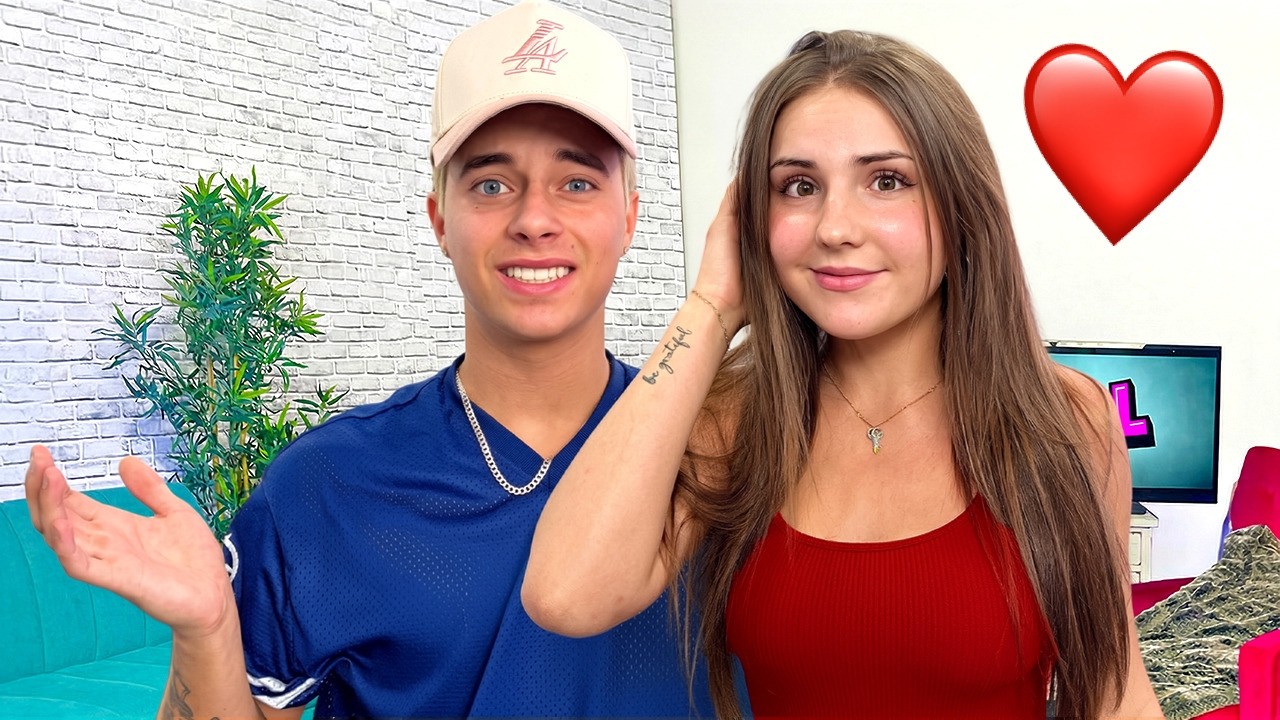
Shopify host-read on The LOL Podcast
The Shopify read is a clean template for the show. It opens on a real creator problem: "There's this moment right before you start something where everything feels like it could go wrong." That hook works because it's personal and true to the hosts, who actually drop merch and videos, so the handoff into the product feels earned rather than bolted on. The offer is present and specific: a one-dollar-per-month trial with a coded URL.
Where it slips is the CTA. The URL gets rushed and repeated three times at the end and comes out slightly garbled ("that's shopify.comol"), which muddies the one line a DR buyer most needs to land clean. Slow it down, say the code once, clearly, and give the listener a beat to remember it. A tighter close would carry more of the trust the hook builds.
View what a great sample ad looks like here.
What makes a show like this convert
- The host-read format holds attention. The hosts read in the same unscripted voice as the show, so listeners stay through the break instead of skipping it.
- Host credibility does the selling. Cash Baker and the Baker family have years of relationship with this audience across TikTok, Instagram, and YouTube, and a recommendation from a trusted voice moves better than a produced spot.
- The audience matches the buyers. Spotsnow describes it as young and female and mostly US-based, the exact profile telehealth, hiring, and DTC brands chase.
- Repeat buying proves the math. Indeed alone has run roughly 6 to 7 reads, and Spotsnow attributes repeat buying across the roster, which brands don't do unless the return holds up.
The LOL Podcast in a nutshell
The audience skews young and female and sits mostly in the US, with estimated reach around 460,000 listeners. Indeed, Zen Market, and Hers already buy here, mostly on coded host reads, with Airbnb showing an awareness angle works too. The show is sold direct and quoted per campaign, not off a rate card. On balance it's a direct-response buy first, with room for a brand-affinity read if that's your goal.
Frequently asked questions
The LOL Podcast is sold on a quoted basis rather than a public rate card. Four things move the number: placement (mid-roll host-read prices above pre-roll and post-roll), read type (a host endorsement prices above a produced spot), commitment length (multi-episode flights and category exclusivity price better than a single test), and how close you are to the air date. For market context, a host-read spot on a typical show costs a brand roughly $20 to $30 for every thousand listeners it reaches. In-demand shows clear well above that. The more useful signal for this show is who already buys: Indeed has run roughly 6 to 7 reads, alongside Zen Market and Hers. Repeat buying at that level tells you more about where a show prices, and what it's worth to the brands buying it, than an outside estimate can.
Ads run on most episodes, so the show is in demand and inventory moves fast. Plan on reaching out sooner than you think you need to.
Plan on about 1 week to book, 2 to 3 weeks to produce and run, plus 2 to 3 weeks of lead time, so roughly 5 to 7 weeks end to end.
The LOL Podcast is sold direct rather than through one of the large networks. You can approach the hosts directly, or book through a platform that already has the show in its inventory. You can view different advertising platforms here.
Spotsnow describes the audience as young and female, concentrated among listeners under 35 and mostly in the US, with income skewing modest to middle. That's why telehealth, hiring, and lifestyle DTC brands cluster on the feed. If your buyer is a young adult navigating early-career and relationship stages, the fit is direct.
Get on the last minute spots email list.
Find incredible discounts and opportunities on premium shows.
Get on the last minute spots email list.
Find incredible discounts and opportunities on premium shows.