

How to advertise on The HoneyDew with Ryan Sickler: what it costs, who buys, and how to book

Cam Pritchard
CEO & Founder | Podcast Advertising Expert
The HoneyDew with Ryan Sickler sells its host-read inventory direct, quoted per campaign rather than off a public rate card, and roughly 97% of its host-read activity runs as direct response, Spotsnow data shows. Its top spender, Quince, has placed roughly 8 to 9 ads on the feed. For a buyer, that mix reads clearly: this is a coded, attributable performance buy inside a storytelling show, not a soft awareness play. Spotsnow estimates all of this from tracked advertiser activity, not audience surveys.

You can pull the full advertiser history on the The HoneyDew show profile. What follows is who buys, how it converts, and how to get in.
Why The HoneyDew is built for host-read direct response
Ryan Sickler is a stand-up comedian who built the show around "lowlights", guests telling their hardest stories with dark humor. It sits in retail-heavy company on the buy side, with its top spender, Quince, coming from that category. The comedy classification is the front door; the DTC money is what walks through it.
Spotsnow data shows roughly 97% of the show's host-read activity is direct response. That's the whole game here: promo codes, vanity URLs, and attribution a brand can actually count. Spotsnow estimates reach at roughly 205,000 listeners per episode, an estimate rather than an audited figure.
The format is why the coded read works. Sickler's confessional style keeps people leaning in through the whole conversation, and that sustained attention doesn't drop the second an ad starts. A host-read borrows exactly that trust. When Sickler names a code, the listener treats it as a recommendation, not an interruption, which is what pushes a coded offer to convert instead of getting skipped.
Influence backs it up. Spotsnow attributes a 4.9 average Apple Podcasts rating across roughly 9,100 to 10,100 ratings, plus about 263,000 YouTube subscribers. This show's pull is concentrated in the feed and on YouTube rather than spread thin across every platform, which is where its buyers already convert.
Who is advertising on The HoneyDew
The roster splits between DTC direct-response brands running host-reads and big national names running produced spots. Recognizable buyers include Quince, Mint Mobile, Indeed, Disney+, and LifeLock.
The anchor advertisers, broken down

Quince
Quince sells affordable-luxury essentials direct to consumer, cashmere, washable silk, home goods, at prices below traditional retail. Spotsnow data shows roughly 8 to 9 ads on the show and estimated total spend over $50K, all classified as host-read direct response. The fit is clean: a mostly-male, mid-to-upper-income US audience that wants quality without the markup is exactly who buys a $50 cashmere sweater on a host's word.

Quo
Quo runs an app that helps first-time buyers get mortgage-ready. Spotsnow data shows roughly 4 to 4 ads and estimated total spend over $20K, host-read direct response. The audience skews into its late twenties to early forties, prime home-buying years, so a mortgage-readiness pitch lands with people actively thinking about a first house.
Proton VPN
Proton VPN sells privacy and online security. Spotsnow data shows roughly 3 to 3 ads and estimated total spend over $20K, host-read direct response. A security-minded, tech-comfortable audience takes a privacy pitch seriously, and the coded offer suits a read where the host can explain the why.
LinkedIn, the outlier
LinkedIn is the single most frequent advertiser by appearances on the show, but it runs produced spots, not host-reads. Spotsnow data shows it treats the feed as a brand-awareness placement sitting alongside the direct-response core. Proof that a different objective can work here, if you go in knowing that's what you're buying.
| Brand | Est. total spend | Direct-response | Time of spend (last 1 year) |
|---|---|---|---|
| Quince | over $50K | Yes, host-read | Through Aug 2026 |
| Quo | over $20K | Yes, host-read | Through Aug 2026 |
| Proton VPN | over $20K | Yes, host-read | Through Jun 2026 |
All spend figures are Spotsnow estimates.
Why comedy brands cluster here
A comedy show that reads as performance media is a specific kind of asset, and The HoneyDew is one. The reason DTC brands cluster here isn't the laughs. It's that Sickler's audience trusts him with heavy material, and that trust transfers to whatever he vouches for. When a host earns the right to sit with someone's worst year on air, a 60-percent-off code from the same mouth carries weight a produced spot never gets. The audience is mostly men in their prime earning and spending years, largely in the US, with money to move on essentials, a first mortgage, or a privacy tool. Put an attributable offer in front of that room, delivered by a voice they already believe, and the coded conversions follow. That's the buy.
How your ad could sound
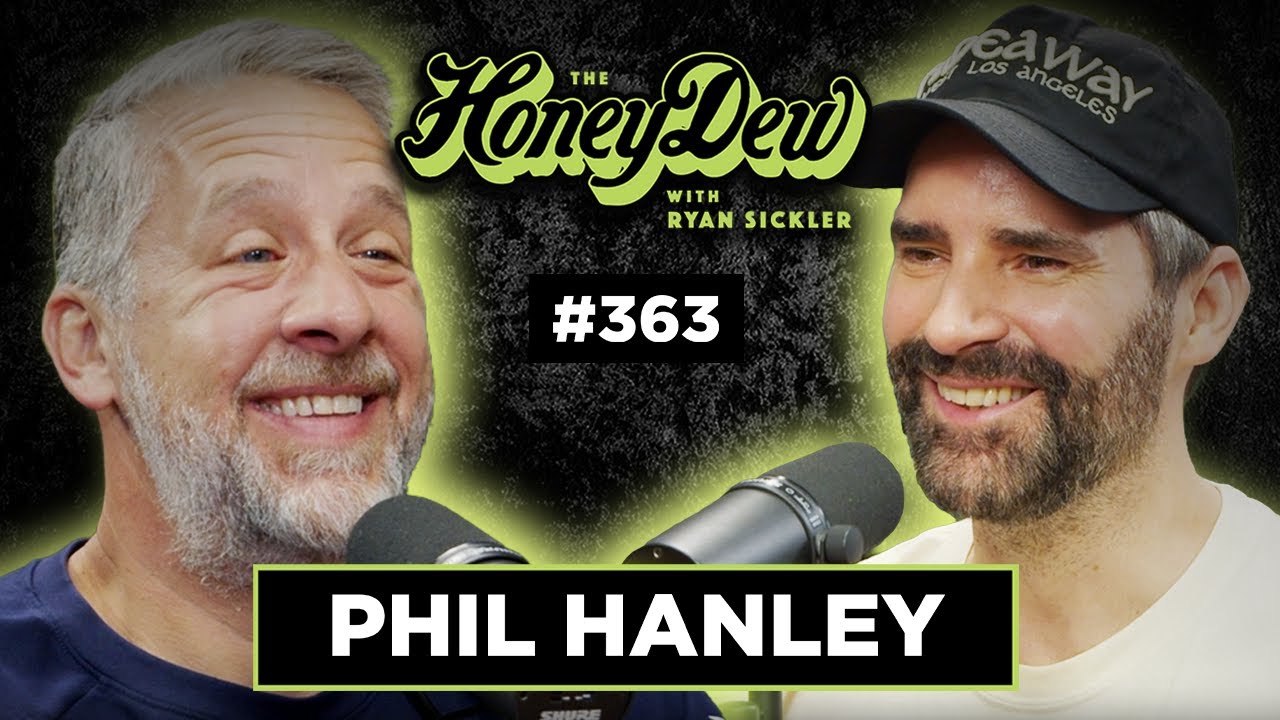
Ryan Sickler's host-read for Tempo on The HoneyDew #363
This Tempo read shows Sickler's endorsement style in full. The hook is personal and relatable: "When life gets busy, meal prep usually falls off the list." He names actual dishes he has on the way, which sells the read as something he uses rather than something he's reading. The offer is clean, "60% off your first box," tied to a coded URL.
Two things to tighten if this were your spot. The URL is repeated so many times it starts to muddy the close rather than reinforce it; say it twice, clearly, and stop. And the only urgency is "for a limited time," which is soft. A real deadline or a stock-limited line would give the listener a reason to act now instead of later. View what a great sample ad looks like here.
What makes a show like this convert
- The format holds attention through the break. Sickler's confessional style keeps listeners in the conversation, so a host-read isn't a skip point, it's a continuation.
- Host credibility transfers. A 4.9 Apple rating across roughly 9,100 to 10,100 ratings, Spotsnow attributes, is the kind of trust that turns an endorsement into a purchase.
- The audience is built to spend. Mostly men in their late twenties to early forties, largely in the US, spanning solid middle and upper incomes, which is who DTC brands want.
- Brands come back. Quince has run roughly 8 to 9 ads here, Spotsnow data shows, and repeat buying at that clip is the clearest sign the math works.
The HoneyDew in a nutshell
The audience is mostly men in their late twenties to early forties, largely US-based, across solid middle and upper incomes. Quince, Quo, and Proton VPN already buy here on coded host-reads, and the roster leans DTC direct response with a few national brands running produced spots. The show sells direct, quoted per campaign, with no public rate card. If you're chasing attributable conversions rather than pure reach, it suits a direct-response buy.
Frequently asked questions
The HoneyDew is sold on a quoted basis rather than a public rate card. Four things move the number: placement (mid-roll host-read prices above pre-roll and post-roll), read type (a host endorsement prices above a produced spot), commitment length (multi-episode flights and category exclusivity price better than a single test), and how close you are to the air date. For market context, a host-read spot on a typical show costs a brand roughly $20 to $30 for every thousand listeners it reaches. In-demand shows clear well above that. The more useful signal for this show is who already buys: Quince has run roughly 8 to 9 ads, alongside Quo and Proton VPN. Repeat buying at that level tells you more about where a show prices, and what it's worth to the brands buying it, than an outside estimate can.
Ads run on most episodes, so the show is in demand and inventory moves fast. Plan on reaching out sooner than you think you need to.
Figure about 1 week to book, 2 to 3 weeks to produce and run, plus 2 to 3 weeks of lead time, so roughly 5 to 7 weeks end to end.
The HoneyDew is sold direct rather than through one of the large networks. You can approach the show directly, or book through a platform that already has the show in its inventory. You can view different advertising platforms here.
Almost certainly the category does. Spotsnow data shows roughly 97% of the show's host-read activity is direct response, with DTC names like Quince, Quo, and Proton VPN buying coded host-reads. If you sell something with a promo code and a clear offer, you'd be in familiar company.
The HoneyDew isn't the only feed reaching this audience. Spotsnow shows which comedy podcasts have host-read spots open right now, and which brands already buy them.
Get on the last minute spots email list.
Find incredible discounts and opportunities on premium shows.
Get on the last minute spots email list.
Find incredible discounts and opportunities on premium shows.