

How to advertise on Speakeasy: what it costs, who buys, and how to book

Cam Pritchard
CEO & Founder | Podcast Advertising Expert
Speakeasy sells its host-read inventory direct, quoted per campaign rather than off a public rate card. Spotsnow data shows roughly 98% of the ads tracked on the show are direct response, and Spotsnow attributes roughly 200 to 231 ads on the feed to a single anchor advertiser, Prize Picks. For a buyer, that combination reads clearly: this is a coded-offer feed where one category has already tested, kept going, and kept paying. Spotsnow estimates all of this from tracked advertiser activity, not audience surveys.

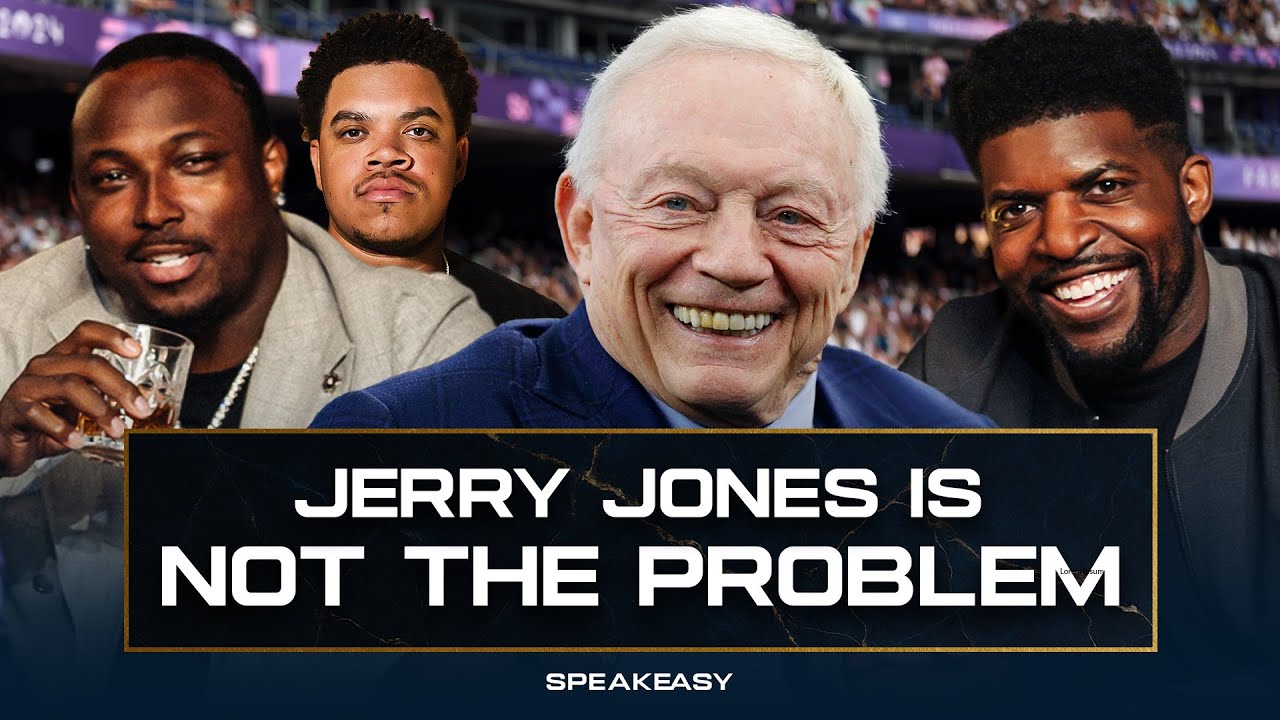
The show in question is Speakeasy, the football and NBA talk feed built around Emmanuel Acho and a rotating panel of former NFL players.
Why Speakeasy is built for host-read direct response
Acho is a former NFL linebacker turned Fox Sports analyst, and he hosts alongside other ex-pros including LeSean McCoy, James Jones and Chase Daniel. The show sits in sports, and it behaves like a sports feed should for performance buyers. Spotsnow attributes about 98% of tracked ads here to direct response, which means promo codes, app downloads and trackable URLs rather than soft brand mentions. Spotsnow estimates the audience at roughly 180,000 listeners, concentrated in the United States.
The format argument matters more than the size. Episodes are long, debate-driven and conversational, with hosts talking over each other about the Cowboys or the Lakers. Attention doesn't drop off a cliff at the ad break because the read sounds like the same conversation continuing. That's the thing a host-read borrows. When Acho says a promo code, it lands inside an argument about football, not after a jingle, and a coded offer only converts when the listener is still there to hear the code.
Engagement holds up outside the feed too. The show carries a 4.2 average rating on Apple Podcasts across roughly 6,100 to 7,100 ratings, and the companion video channel sits near 2.6 million subscribers. Influence here is concentrated where the show actually lives, in the audio feed and the video clips, which is also where a host-read gets heard twice.
Audience skews heavily male and young to mid-adult, solidly middle-income with a meaningful higher-earning slice, and overwhelmingly American. Audience size is estimated.
Who is advertising on Speakeasy
The roster is deep and blue-chip, mixing daily fantasy and sportsbooks with big tech, quick-service restaurants, finance, travel and recruiting. Recognizable names Spotsnow has tracked recently include Prize Picks, Indeed, Disney+, United Airlines and Gatorade.
The anchor advertisers, broken down

Prize Picks
Prize Picks runs a daily fantasy and player-prediction app built on a simple more-or-less lineup mechanic. Spotsnow attributes roughly 200 to 231 ads on this show to the brand and estimates total spend here at over $100K, with activity Spotsnow classifies as almost entirely direct response. The fit is obvious once you hear the read: the listener is already arguing about whether a quarterback clears his yardage number, and the product asks them to put a nickel on the answer.

ChatGPT
ChatGPT, OpenAI's consumer AI assistant, has bought into the feed more recently, and Spotsnow estimates its total spend on the show at roughly $10,000. Spotsnow shows the mix leaning host-read with a direct-response tilt. It works here because the pitch is utilitarian rather than technical, and a panel of ex-players asking an app to settle a stat argument is a demo the audience understands instantly.

Indeed
Indeed sells job listings and recruitment tools to employers, and Spotsnow estimates its total spend on the show at roughly $10,000. Most of that runs as produced spots rather than host endorsements. A male, working-age, US audience is exactly the pool recruiters and hiring managers sit inside, so the targeting logic holds even without a promo code.
The outlier worth noting
Indeed is also the proof that a second objective survives in a direct-response feed. Its buy leans on produced creative and brand recall instead of coded attribution, a different play from Prize Picks entirely, and it has kept running. If you're buying awareness rather than installs, there's precedent here.
| Brand | Est. total spend | Direct-response | Time of spend (last 1 year) |
|---|---|---|---|
| Prize Picks | over $100K | Yes | Active all year, most recently this fall |
| ChatGPT | roughly $10,000 | Mixed, leans direct response | Active in recent months |
| Indeed | roughly $10,000 | Mostly produced, some host-read | Active, most recently this month |
All spend figures are Spotsnow estimates.
Why sports brands cluster here
Credibility in sports advertising is not transferable. A host who played the position can say a player's yardage line is soft and be believed, and that same believability is what a daily fantasy app is renting when it buys a read. Spotsnow attributes over $100K of Prize Picks spend to this one feed, which tells you the attribution came back clean enough to renew, repeatedly, across a full season cycle.
The audience mindset does the rest. People listening to four ex-NFL players argue about a Sunday slate are already in a prediction frame of mind, already holding opinions they'd defend with money. That's a shorter distance to an app download than almost any other podcast context, and it's why sportsbooks, DFS platforms and prediction products pay up for sports talk while general-interest shows get cheaper attention that converts worse. Finance, QSR and recruiting brands follow for a plainer reason: they want male, US, working-age reach at scale, and this feed delivers it in bulk.
How your ad could sound
Prize Picks host-read on Speakeasy
What works: the read opens on seasonality, not product. "Football season is here and basketball season is here" gives the listener a reason to act this week. The mechanic is explained in one breath, "select a few player stats, pick more or less," which is the right level of detail for audio. The personal aside, "Texas, my home state," keeps it in the host's voice instead of a script. And the offer is concrete: "$50 in lineups when you make your first $5 lineup," restated as "win or lose," which kills the obvious objection before it forms.
What I'd change: the code lands late and only once. "Use promo code speakeasy today" arrives after a state-eligibility list that stalls the momentum, and anything you say once in audio gets missed. Say the code early, repeat it at the close, and cut the state roll-call to a single qualifier. There's also no real urgency. "Today" is doing the work a deadline should do, and a dated offer window would give the listener a reason not to put their phone down.
View what a great sample ad looks like here.
What makes a show like this convert
- The format holds attention through the break. Debate-driven episodes run long and the read lands mid-conversation, so the code gets heard instead of skipped.
- The hosts have earned the right to recommend. Acho and his panel are former NFL players, and a prediction product endorsed by people who played it reads as opinion, not advertising.
- The audience is the one performance buyers want. Spotsnow estimates roughly 180,000 listeners, skewing male, working-age and heavily American.
- The repeat buying proves the math. Spotsnow attributes roughly 200 to 231 ads to Prize Picks on this feed, and no performance marketer renews that often on a channel that doesn't pay back.
Speakeasy in a nutshell
Listeners are mostly American men in their working years, following the NFL and NBA closely enough to argue about it daily. The brands already buying split into two camps: coded host-reads from prediction and app products, and produced spots from recruiting, travel and finance names chasing reach. Inventory is sold direct and priced per campaign, so you're negotiating rather than ordering. Treat it as a direct-response buy first, with awareness as a proven secondary use.
Frequently asked questions
Speakeasy is sold on a quoted basis rather than a public rate card. Four things move the number: placement (mid-roll host-read prices above pre-roll and post-roll), read type (a host endorsement prices above a produced spot), commitment length (multi-episode flights and category exclusivity price better than a single test), and how close you are to the air date. For market context, a host-read spot on a typical show costs a brand roughly $20 to $30 for every thousand listeners it reaches. In-demand shows clear well above that. The more useful signal for this show is who already buys: Prize Picks has run roughly 200 to 231 ads, alongside ChatGPT and Indeed. Repeat buying at that level tells you more about where a show prices, and what it's worth to the brands buying it, than an outside estimate can.
Ads run on most episodes, so the show is in demand and inventory moves fast. Plan on reaching out sooner than you think you need to.
Figure about 1 week to book, 2 to 3 weeks to produce and run, plus 2 to 3 weeks of lead time, so roughly 5 to 7 weeks end to end.
Speakeasy is sold direct rather than through one of the large networks. You can approach the show's team, or book through a platform that already has the show in its inventory. You can view different advertising platforms here.
Yes, and heavily. Spotsnow shows Prize Picks as the anchor advertiser with over $100K in estimated spend on the feed, and DraftKings Sportsbook also appears on the recent roster. If you're in that category, ask about exclusivity terms before you ask about anything else.
Speakeasy isn't the only feed reaching this audience. Spotsnow shows which sports podcasts have host-read spots open right now, and which brands already buy them.
Get on the last minute spots email list.
Find incredible discounts and opportunities on premium shows.
Get on the last minute spots email list.
Find incredible discounts and opportunities on premium shows.