

How to advertise on Silicon Valley Girl: AI, Tech and Career Growth: what it costs, who buys, and how to book

Lex Quintilla
Advertiser Partnerships Manager
Host-read inventory on this show is quoted per campaign, not off a public rate card, and it's sold direct because the show is independently produced with no network sitting in the middle. Spotsnow attributes the clear majority of ads running here to direct response, and the anchor buyer, beehiiv, has run roughly 4 to 5 host-read spots on the feed. For a buyer, that mix means you're negotiating a campaign with a creator who reads copy herself, and you're buying into a feed where coded, trackable offers are the norm rather than the exception. Spotsnow estimates all of this from tracked advertiser activity, not audience surveys.

The show in question is Silicon Valley Girl: AI, Tech and Career Growth, a weekly interview show about AI, hiring and career strategy.
Why Silicon Valley Girl is built for host-read direct response
Marina Mogilko hosts, and Spotsnow describes her as a Silicon Valley founder and angel investor. Her advertiser base sits in information technology and services, which is exactly where you'd expect given the guest list runs to people like Andrew Ng and Daron Acemoglu.
Spotsnow data shows the clear majority of ads on the show are classified as direct response. That's a format argument more than an audience argument. Episodes are long, conversational interviews where the host interrupts her own guest to make a point, so the ad break doesn't feel like a channel change. The HubSpot read literally opens with the host pausing the conversation and tying the sponsor back to what the guest just said. That continuity is what a host-read borrows, and it's why codes, vanity URLs and description links actually get used here instead of skipped. Spotsnow estimates the audience at roughly 220,000 listeners, and that figure is an estimate, not a counted number.
The audience skews male, young to mid-career, high-income, and is heavily concentrated in the US with secondary pockets in the UK and Canada. On influence, the Apple Podcasts rating sits at 4.3, and the real engagement proof lives on video: Spotsnow social data puts the host at roughly 1.6 million YouTube subscribers and roughly 1.3 million Instagram followers. A host-read here carries trust built across platforms, not just inside one feed.
Who is advertising on Silicon Valley Girl
Spotsnow tracked roughly 50 to 59 brands on the show in the recent window, split between recruiting and software buyers running host-reads and national advertisers dropping produced spots into the feed. The names a buyer will recognize: LinkedIn, Indeed, HubSpot, Grammarly and Squarespace.
The anchor advertisers, broken down

beehiiv
beehiiv sells a no-code newsletter platform for creators and publishers. Spotsnow estimates over $30K in total spend on this show across roughly 4 to 5 host-read ads, all classified as direct response. It fits because the listener base is founders and creators already building an audience, and newsletter tooling is the next thing they buy after they decide to own that audience.
Indeed
Indeed runs one of the largest job boards in the world and sells sponsored postings to employers. Spotsnow estimates over $20K in total spend here across roughly 9 to 11 ads, direct response. The show's whole subject is AI and the future of work, so a single read lands on hiring managers and people planning their next move at the same time.
.png?alt=media&token=5caaeb84-e4fb-42a8-a0dc-acce1cf715ba)
HubSpot
HubSpot sells marketing and sales software and uses podcast reads to push free content offers. Spotsnow estimates over $20K in total spend on this show across roughly 3 ads, all host-read and all direct response. The offer in the read is a free prompt engineering playbook, which is about as close a match as you'll find for an audience trying to turn AI demos into actual workflows.
The awareness outlier
National advertisers also use this feed, and they use it differently. Hilton, McDonald's, Gatorade and Google have all appeared with produced spots rather than host endorsements. Nobody's chasing a promo code with those. It's proof that a reach-and-association buy works here too, just on a different objective than the direct-response core.
| Brand | Est. total spend | Direct-response | Time of spend (last 1 year) |
|---|---|---|---|
| beehiiv | over $30K | Yes, host-read | Active through Oct 2026 |
| Indeed | over $20K | Yes | Active through Oct 2026 |
| HubSpot | over $20K | Yes, host-read | Aug to Oct 2026 |
All spend figures are Spotsnow estimates.
Why technology brands cluster here
Software and recruiting brands don't buy this show for raw scale. They buy it because the host has standing to tell a founder what tool to use, and because the audience shows up already shopping. Every episode is effectively a conversation about what to do next with your career or your company, which puts the listener in a decision-making frame before the break ever arrives. That's why a newsletter platform, a job board and a CRM vendor all end up on the same feed: each one sells a tool you adopt in response to a prompt, and the host's read is the prompt. Compare that to a general tech news podcast, where the listener is consuming headlines and the ad is a tax on the content. Here it reads like a recommendation from someone who builds things, which is also why the produced national spots in the feed feel like a separate product being sold to a separate kind of buyer.
How your ad could sound
Here's the HubSpot host-read, one of the show's top three advertisers by estimated spend.
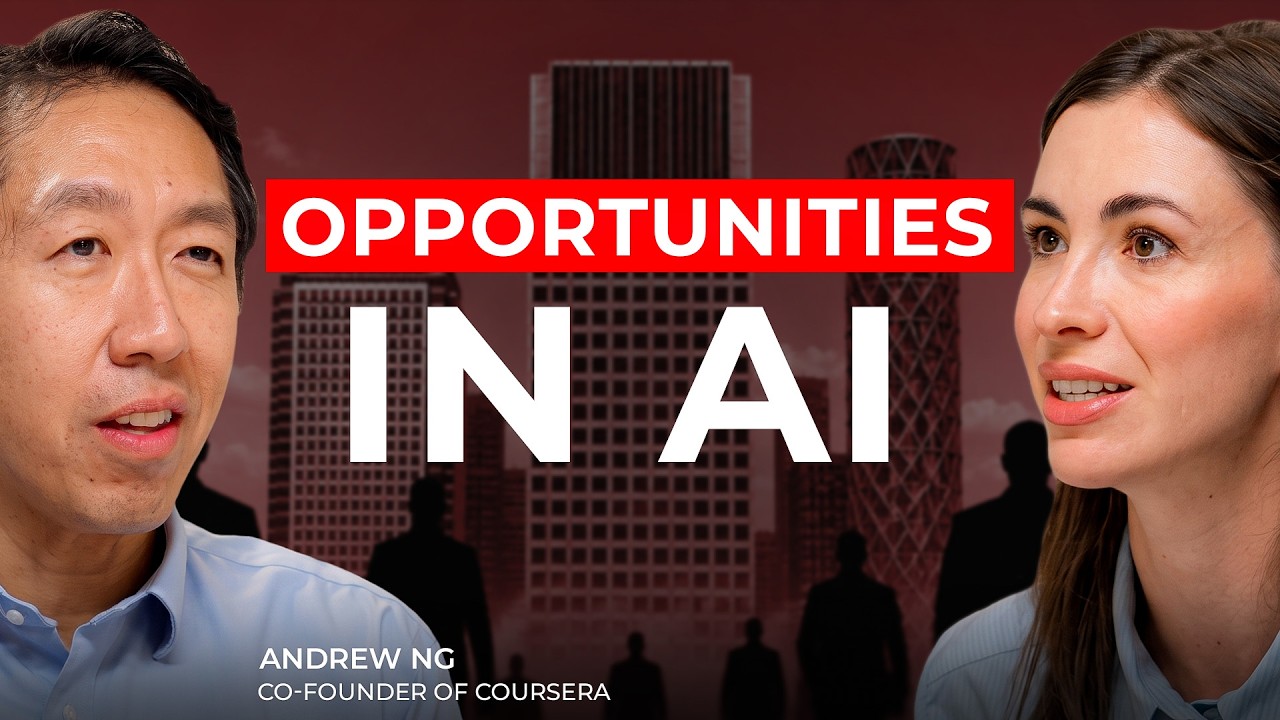
HubSpot host-read on Silicon Valley Girl
What works: the handoff. The host stops the interview with "Quick pause because what Andrew just said about workflows connects to something that HubSpot just put out for free", which borrows the guest's credibility instead of competing with it. The problem framing is personal and specific, not generic: "You type in one vague sentence, get something mediocre back, and then spend the next 20 minutes fixing it yourself." Any buyer can copy that structure. Name the moment of friction your product removes, in the listener's words.
What I'd change: the close. "Links in the description" with no promo code, no vanity URL and no deadline leaves attribution to guesswork on a read that's otherwise doing everything right. The Transcriptor read on the same show handles this better by attaching a condition to the signup, so the offer itself does the tracking. If you buy here, give the host a coded path and a reason to act this week.
View what a great sample ad looks like here.
What makes a show like this convert
- The format carries the offer. Spotsnow attributes the clear majority of ads on the show to direct response, which only happens when listeners actually follow the host's link.
- The host has standing. Mogilko is a founder and angel investor, so a software or hiring recommendation sits inside her stated expertise rather than next to it.
- The audience is buying-capable. Spotsnow data shows high-income listeners concentrated in the US, skewing male and young to mid-career, with Spotsnow estimating roughly 220,000 listeners overall.
- Advertisers come back. Indeed has run roughly 9 to 11 ads on the show per Spotsnow, and a job board with that much measurement infrastructure doesn't repeat a placement that misses.
Silicon Valley Girl in a nutshell
The listener is a high-income professional or founder, mostly in the US, mostly male, who treats the show as career input rather than entertainment. The buyers already in the feed are recruiting and software companies, mainly on host-reads with a free offer or signup attached, plus a layer of national brands running produced spots for reach. Nothing is bought off a rate card: the show is independent, it's sold direct, and terms come out of a conversation about the campaign. If you need coded attribution, this is a direct-response feed; if you want association with an AI and future-of-work host, the produced-spot path is already proven here too.
Frequently asked questions
Silicon Valley Girl is sold on a quoted basis rather than a public rate card. Four things move the number: placement (mid-roll host-read prices above pre-roll and post-roll), read type (a host endorsement prices above a produced spot), commitment length (multi-episode flights and category exclusivity price better than a single test), and how close you are to the air date. For market context, a host-read spot on a typical show costs a brand roughly $20 to $30 for every thousand listeners it reaches. In-demand shows clear well above that. The more useful signal for this show is who already buys: beehiiv has run roughly 4 to 5 host-read ads, alongside Indeed and HubSpot. Repeat buying at that level tells you more about where a show prices, and what it's worth to the brands buying it, than an outside estimate can.
Ads run on most episodes, so the show is in demand and inventory moves fast. Plan on reaching out sooner than you think you need to.
Figure about 1 week to book, 2 to 3 weeks to produce and run, plus 2 to 3 weeks of lead time, so roughly 5 to 7 weeks end to end.
Silicon Valley Girl is sold direct rather than through one of the large networks. You can approach the show directly, or book through a platform that already has the show in its inventory. You can view different advertising platforms here.
Yes. Spotsnow tracked roughly 50 to 59 brands on the feed recently, with IT and services companies at the top of the spend list: beehiiv, Indeed and HubSpot, plus LinkedIn and Grammarly. If you sell AI tooling, recruiting products or creator software, you have category precedent and should ask about exclusivity.
Silicon Valley Girl isn't the only feed reaching this audience. Spotsnow shows which technology podcasts have host-read spots open right now, and which brands already buy them.
Get on the last minute spots email list.
Find incredible discounts and opportunities on premium shows.
Get on the last minute spots email list.
Find incredible discounts and opportunities on premium shows.