

How to advertise on Oz's Vault: what it costs, who buys, and how to book

Keshav Bagaade
Podcast Advertising Data Lead
Host-read inventory on this Reddit storytime feed sells direct, quoted campaign by campaign rather than off a public rate card, and the reads come straight from the host. Spotsnow data shows the show's advertising is almost entirely direct-response, and Spotsnow attributes roughly 84 to 98 ads to a single anchor brand, Gamer Supps. For a buyer, that mix means one thing: this is a coded-offer feed, not a logo-placement feed. Spotsnow estimates all of this from tracked advertiser activity, not audience surveys.

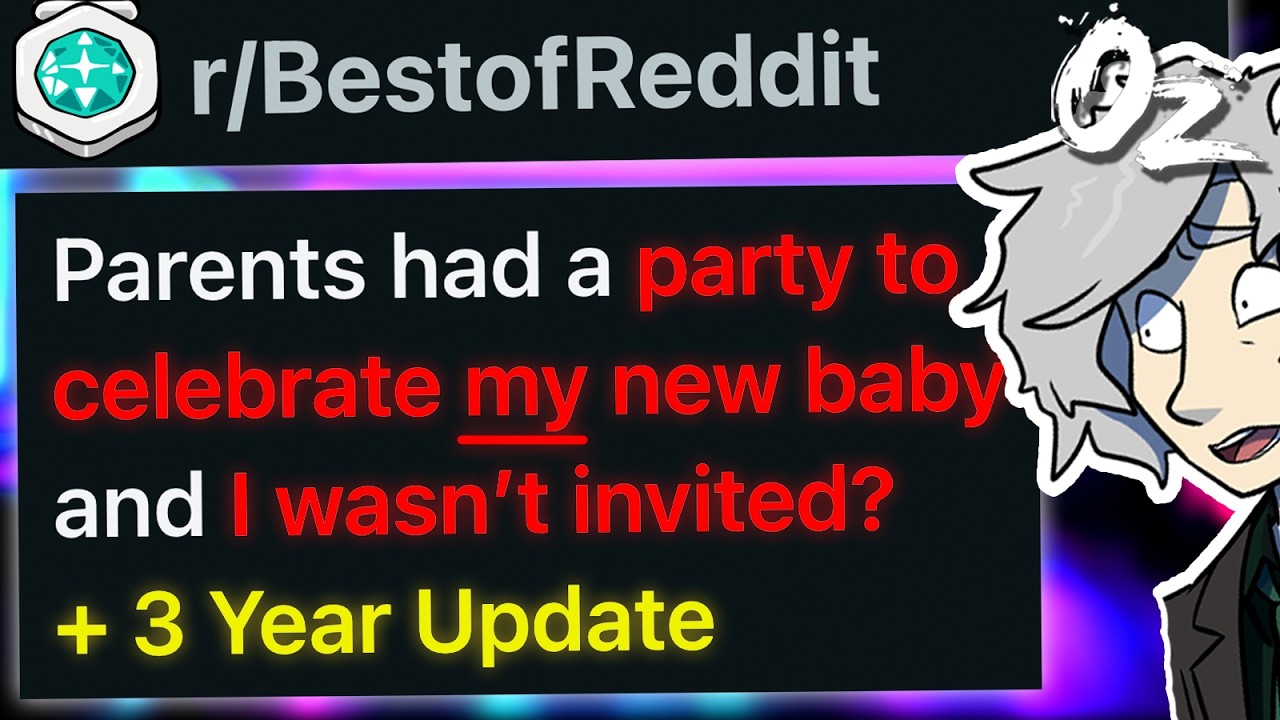
The show in question is Oz's Vault, a society and culture feed where the host reads and reacts to posts from subreddits like r/OhNoConsequences and r/EntitledPeople.
Why Oz's Vault is built for host-read direct response
The show is hosted by Oz, a solo creator who narrates and editorializes on Reddit drama in long sittings. It sits in society and culture, with comedy, leisure and true crime pulling in from the sides.
Spotsnow data shows direct-response formats dominate the ad book here, which is the whole reason the roster looks the way it does. Codes, vanity URLs and promo offers are the only ad mechanics that give you a clean read on performance, and this feed is full of them. Spotsnow estimates reach at roughly 87,000 listeners, an estimate rather than an audited count, and that audience skews young, leans slightly female, runs lower to middle income, and is concentrated in the United States with real tails in the UK and Canada.
Format matters more than scale on a show like this. Episodes are long, narrative, and consumed in one sitting because listeners want the next story and the host's reaction to it. That builds a continuous listening state that doesn't break when the host switches from a story about a terrible mother-in-law to a product he actually uses. A host-read borrows that momentum. A produced spot interrupts it.
On influence: the show carries a 4.9 average on Apple Podcasts across about 25 ratings, and the YouTube channel sits at roughly 98,000 subscribers. That's influence concentrated in two places, the feed and the video channel, rather than scattered across half a dozen social accounts. Concentrated attention is what a coded offer needs.
Who is advertising on Oz's Vault
The roster splits cleanly: one gaming supplement brand buying the host's voice over and over, and a long tail of national advertisers buying inserted inventory around it. Recognizable names Spotsnow tracks on the show include ZocDoc, Progressive, Wayfair, BetterHelp and AT&T.
The anchor advertisers, broken down

Gamer Supps
Gamer Supps sells zero-sugar energy and nootropic powder aimed at gamers, plus a newer creatine hydration line. Spotsnow attributes roughly 84 to 98 ads on the show to the brand and estimates total spend at over $100K. It's direct-response, host-read, and coded. The fit is almost too neat: a young audience that listens to hour-long Reddit sessions while gaming or scrolling is the exact person buying a tub of caffeine powder with a creator's code attached.
ZocDoc
ZocDoc runs the appointment-booking marketplace for doctors and dentists. Spotsnow data shows roughly 30 to 35 ads on the show and estimates total spend at $20K. The buy is mixed, with host-read reads alongside produced spots, which puts it partly in the DR column. A listener base in its twenties and thirties, often newly off a parent's insurance and avoiding the phone, is exactly who needs a booking tool explained to them.
Grow Therapy
Grow Therapy connects people to in-network therapists, virtual or in person, on a pay-per-session basis. Spotsnow attributes roughly 121 to 141 ads to the brand and estimates total spend at $10K, mostly through produced spots. The content is wall-to-wall interpersonal conflict, family dysfunction and boundary-setting, so a therapy offer lands in the middle of the exact problem the listener just spent forty minutes thinking about.
The awareness outlier
Progressive and AT&T both run heavy produced creative here with no host involvement at all, which tells you a second objective coexists with the DR core. If you're buying frequency against a young US audience and don't need a code to prove it worked, the inserted inventory on this feed is doing that job for brands far bigger than the anchor.
| Brand | Est. total spend | Direct-response | Time of spend (last 1 year) |
|---|---|---|---|
| Gamer Supps | Over $100K | Yes, host-read | Active through Oct 2026 |
| ZocDoc | $20K | Partial, host-read and produced | Active through Oct 2026 |
| Grow Therapy | $10K | Mostly produced | Active through Oct 2026 |
All spend figures are Spotsnow estimates.
Why society and culture brands cluster here
Reddit storytime looks like cheap content and behaves like a trust channel. The host isn't an expert on anything, and that's the point: his authority comes from judgment, from the running commentary on who was right and who was out of line. Listeners come back because they want to hear what he thinks, which is a far more personal relationship than a news host or an interviewer gets. When that same voice says he uses something and hands you a code, it reads as a recommendation rather than an insert.
The mindset helps too. This audience listens in long, low-friction blocks while doing something else, which is the state in which an offer with a simple action attached actually converts. That's why the categories that stick are ones with a single next step: a powder you add to water, an appointment you book, a therapist you get matched with. Spotsnow data shows the heavy repeat buying lands on exactly those brands, and the brands with nothing to click sit in produced inventory instead.
How your ad could sound
Gamer Supps host-read on Oz's Vault
The read works because it's unpolished in the right places. Oz introduces a newer product by telling you how he got it: "They sent me a sample for it. It's not bad." That's a real opinion, hedged the way a person hedges, and it does more for credibility than any scripted claim. Then he closes the loop on the money: "Every purchase made supports the channel directly. You get 10% off, I get a cut of the sale. Hey, it's a win-win." Naming the incentive out loud is one of the strongest trust moves available in a host-read, because the listener already suspected it.
Two things to tighten if you're the brand briefing it. First, the code itself is the weakest element. Across reads it lands as "code oz," then "code odds," then "code eyes," and a code a listener can't spell is a code that doesn't get used. Spell it, repeat it twice, and put it in the episode description. Second, there's no reason to act now. A deadline, a bundle, or a limited flavor drop would give the offer a reason to be used this week instead of eventually. Good host-reads keep the hook personal and the ask urgent.
View what a great sample ad looks like here.
What makes a show like this convert
- The format carries the ad break. Long narrative episodes keep listeners in one continuous session, so a host-read sits inside the attention the story built instead of fighting it.
- Host credibility is the product. A 4.9 Apple rating and roughly 98,000 YouTube subscribers point to an audience that comes for one person's take, which is what makes his endorsement transferable.
- The audience matches the offers. Spotsnow estimates roughly 87,000 listeners, skewing young, slightly female, lower to middle income and heavily US based, which is a profile that responds to discount codes rather than brand prestige.
- Repeat buying proves the math. Spotsnow attributes roughly 84 to 98 ads to Gamer Supps on this feed alone, and no performance brand renews at that frequency on a channel that isn't returning.
Oz's Vault in a nutshell
Who listens: a young, mostly American audience that treats hour-long Reddit drama as background company, leaning slightly female and lower to middle income. Who already buys: a gaming supplement brand buying coded host-reads on repeat, a healthcare booking platform splitting its buy between host-read and produced, and a therapy marketplace running mostly produced creative, with Progressive and AT&T stacked in on inserted inventory. How it's sold: direct, host-read, quoted per campaign, with the host voicing his own reads. Best suited to direct-response offers with a code or URL, though the produced inventory is clearly doing an awareness job for national brands at the same time.
Frequently asked questions
Oz's Vault is sold on a quoted basis rather than a public rate card. Four things move the number: placement (mid-roll host-read prices above pre-roll and post-roll), read type (a host endorsement prices above a produced spot), commitment length (multi-episode flights and category exclusivity price better than a single test), and how close you are to the air date. For market context, a host-read spot on a typical show costs a brand roughly $20 to $30 for every thousand listeners it reaches. In-demand shows clear well above that. The more useful signal for this show is who already buys: Gamer Supps has run roughly 84 to 98 ads, alongside ZocDoc and Grow Therapy. Repeat buying at that level tells you more about where a show prices, and what it's worth to the brands buying it, than an outside estimate can.
Ads run on most episodes, so the show is in demand and inventory moves fast. Plan on reaching out sooner than you think you need to.
Figure about 1 week to book, 2 to 3 weeks to produce and run, plus 2 to 3 weeks of lead time, so roughly 5 to 7 weeks end to end.
Oz's Vault is sold direct rather than through one of the large networks. You can approach the host, or book through a platform that already has the show in its inventory. You can view different advertising platforms here.
Both, and the split matters. The host voices his own reads for his anchor sponsor, and Spotsnow data shows the show's ad activity is overwhelmingly direct-response. Separately, national brands run produced creative through inserted inventory. If you want a coded offer in the host's voice, you're buying the first kind.
Spotsnow estimates roughly 87,000 listeners, skewing young, slightly female and concentrated in the United States. Gaming nutrition, telehealth, mental health, retail and insurance are all already present, so if you sell a low-consideration product with a single clear action, you have precedent here.
Oz's Vault isn't the only feed reaching this audience. Spotsnow shows which society and culture podcasts have host-read spots open right now, and which brands already buy them.
Get on the last minute spots email list.
Find incredible discounts and opportunities on premium shows.
Get on the last minute spots email list.
Find incredible discounts and opportunities on premium shows.