

How to advertise on Not Loveline: what it costs, who buys, and how to book

Dishant Miyani
Podcast Ad Analytics Head
Not Loveline sells its host-read inventory direct, quoted per campaign rather than off a public rate card. Spotsnow data shows nearly nineteen of every twenty ads on the feed are direct-response, so the show runs on coded offers and promo links, not soft brand impressions. Its top spender, SeatGeek, has run roughly 7 to 8 host-read ads here. That mix tells a buyer this is a coded-offer feed first, an awareness buy second. Spotsnow estimates all of it from tracked advertiser activity, not audience surveys.

For the full profile, see Not Loveline on Spotsnow.
Why Not Loveline is built for host-read direct response
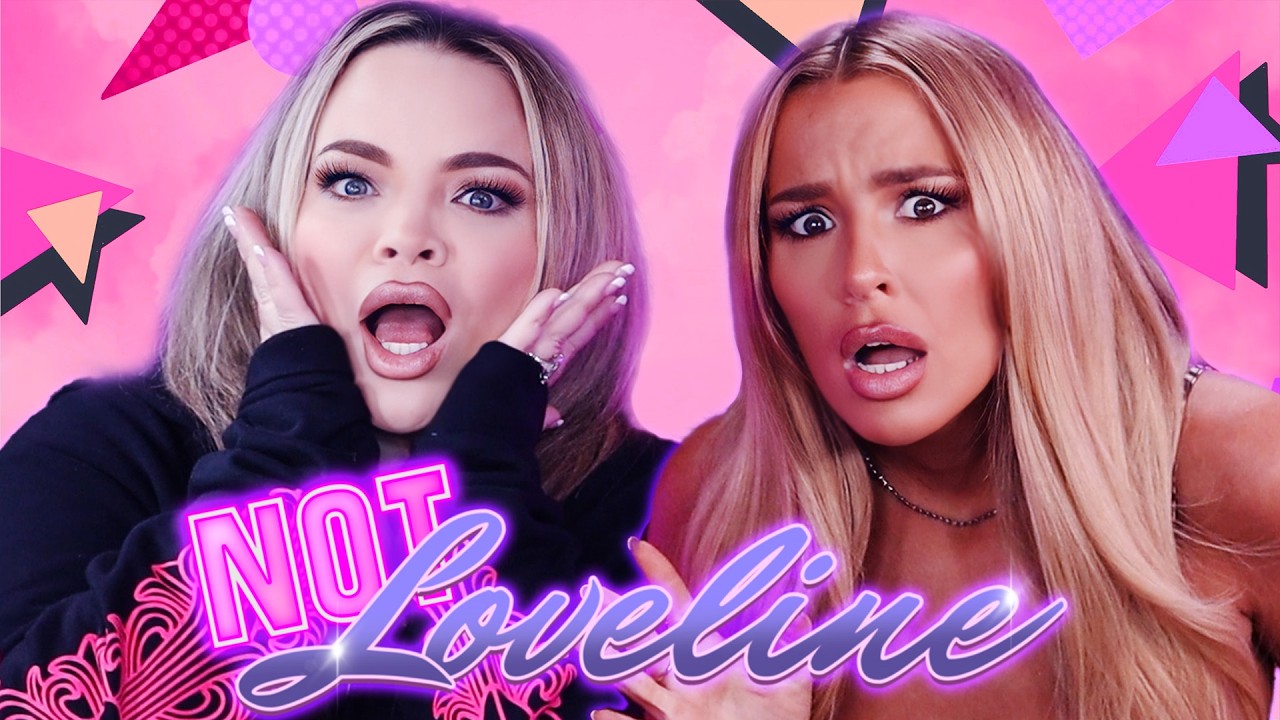
Tana Mongeau and Trisha Paytas host the show, veteran internet creators who built the format on parasocial trust rather than clinical credentials. They say so themselves. It sits in the society and culture category, with a dating, pop-culture, and relationships spine.
Spotsnow attributes the overwhelming majority of the show's ads to direct response, which is the whole argument here. A promo code or a tracked URL read out loud gives a brand attribution it can measure against spend. Spotsnow estimates the show reaches roughly 140,000 listeners, and that number is an estimate, not an audited count.
What makes the format work is the delivery. The hosts fold the ad into the same unfiltered banter that carries the rest of the episode, so the read doesn't snap the listener out of the conversation. That sustained attention through the break is exactly what a host-read borrows. The audience skews young and strongly female, concentrated in the US, with a Gen Z and young-millennial core and lower-to-middle household income. It's a crowd that converts on a code because it already treats the hosts as friends worth listening to.
Influence sits mostly in the feed and on the hosts' own large personal platforms rather than spread evenly across the show's dedicated accounts. The show's own Instagram carries roughly 15,000 followers, and full episodes run on its YouTube channel. The engagement that matters for advertisers happens where listeners already trust the reads.
Who is advertising on Not Loveline
The roster runs deep, with Spotsnow tracking roughly 92 to 107 recent advertisers, and it splits cleanly between DTC coded-offer buyers and big brands running produced awareness spots. Recognizable names include SeatGeek, BetterHelp, Ro, AG1, and Abercrombie.
The anchor advertisers, broken down

SeatGeek
SeatGeek sells event tickets for concerts, sports, festivals, and theater. Spotsnow data shows it running roughly 7 to 8 host-read ads on the show, with an estimated total spend of over $30K, all direct-response. It fits because the audience is young, going out, and the hosts tie the reads to their own Las Vegas live show, so tickets feel like a natural aside rather than an ad.

Ro
Ro is a telehealth platform covering weight loss, hormone care, and prescriptions by mail. Spotsnow attributes roughly 5 host-read ads to Ro on the show, with an estimated total spend of over $20K, direct-response. It fits an audience comfortable with digital-first health and the show's candid body and health talk.
BetterHelp
BetterHelp is online therapy, matching users to licensed counselors. Spotsnow data shows roughly 3 host-read ads on the show and an estimated total spend of over $10K, direct-response. It fits directly with the show's relationship-and-mental-health subject matter, where a therapy pitch lands mid-conversation instead of interrupting one.
The awareness outlier
Not every buy here chases a code. Big brands like LinkedIn, AG1, USAA, Toyota, and Netflix have run produced, non-host-read spots on the feed. That's proof a reach-and-association play works here too, a different objective from the DTC coded-offer crowd.
| Brand | Est. total spend | Direct-response | Time of spend (last 1 year) |
|---|---|---|---|
| SeatGeek | over $30K | Yes | Active through mid-Aug 2026 |
| Ro | over $20K | Yes | Active through late-Jul 2026 |
| BetterHelp | over $10K | Yes | Active through mid-Jun 2026 |
All spend figures are Spotsnow estimates.
Why society and culture brands cluster here
The through-line is trust the hosts already spent years building. Tana and Trisha don't read from a rate-card script, they talk about a ticket app the way they'd tell a friend which show to catch in Vegas, and about therapy the way the episode's advice segment already frames it. That's why the coded-offer brands stick. A young, female, US audience in a dating-and-pop-culture headspace is primed to act on a recommendation from a voice it treats as a peer, and a promo code turns that trust into a number the brand can bank. The big produced spots ride the same reach without the endorsement. Both work because the feed sells attention that doesn't drop at the ad break.
How your ad could sound
SeatGeek host-read on Not Loveline
The SeatGeek read is a clean model of what converts here. It opens on a concrete personal hook, the hosts planning a Vegas night out and a Sphere show, then stacks proof points a listener can trust, with over 35 million downloads and more than 70,000 events cited back to back. There's a genuinely useful tip folded in, checking the day of an event for a last-minute deal, which earns the listener's attention before the ask. The handoff between the two hosts stays natural, and the offer lands cleanly: "you can use code not loveline 10 for 10% off your SeatGeek tickets. That's 10% off with promo code not loveline 10."
Two things are worth tightening. The code wording drifts between reads, landing as a clipped "not love 10" in an earlier episode, and inconsistency like that leaks attribution when a code doesn't match what a listener types. The ramp-up is also long and chatty, so the actual offer arrives late in the spot. Move the code earlier and keep it word-for-word identical across every episode, and the same read does more work.
View what a great sample ad looks like here.
What makes a show like this convert
- The format carries the offer. Ads fold into the hosts' banter, so attention holds through the break instead of dropping at it.
- Host credibility is the product. Tana and Trisha built parasocial trust over years, and a recommendation from a peer voice outperforms a produced spot.
- The audience is primed to act. A young, female, US crowd in a dating-and-pop-culture mindset converts on a code it hears from someone it follows.
- Repeat buying proves the math. SeatGeek came back for roughly 7 to 8 host-read ads, and brands don't re-book a show that doesn't return.
Not Loveline in a nutshell
The audience skews young and strongly female, concentrated in the US, and tuned to dating, pop culture, and influencer chatter. SeatGeek, Ro, and BetterHelp already buy here on host-reads, and Spotsnow attributes almost all of the feed's ads to direct response. The show is sold direct and quoted per campaign, not off a rate card. If you're a DTC brand that lives on coded offers and tracked links, this is a direct-response feed built for you, with room for a produced awareness spot if reach is the goal.
Frequently asked questions
Not Loveline is sold on a quoted basis rather than a public rate card. Four things move the number: placement (mid-roll host-read prices above pre-roll and post-roll), read type (a host endorsement prices above a produced spot), commitment length (multi-episode flights and category exclusivity price better than a single test), and how close you are to the air date. For market context, a host-read spot on a typical show costs a brand roughly $20 to $30 for every thousand listeners it reaches. In-demand shows clear well above that. The more useful signal for this show is who already buys: SeatGeek has run roughly 7 to 8 host-read ads, alongside Ro and BetterHelp. Repeat buying at that level tells you more about where a show prices, and what it's worth to the brands buying it, than an outside estimate can.
Ads run on most episodes, so the show is in demand and inventory moves fast. Plan on reaching out sooner than you think you need to.
Figure about 1 week to book, 2 to 3 weeks to produce and run, plus 2 to 3 weeks of lead time, so roughly 5 to 7 weeks end to end.
Not Loveline is sold direct rather than through one of the large networks. You can approach the hosts' representation, or book through a platform that already has the show in its inventory. You can view different advertising platforms here.
Almost certainly the pattern fits. Spotsnow attributes nearly all of the show's ads to direct response, and the anchor buyers, SeatGeek, Ro, and BetterHelp, all run coded host-reads. If your offer converts on a promo code or a tracked link to a young, mostly female US audience, you're buying into a feed built for exactly that.
Not Loveline isn't the only feed reaching this audience. Spotsnow shows which society and culture podcasts have host-read spots open right now, and which brands already buy them.
Get on the last minute spots email list.
Find incredible discounts and opportunities on premium shows.
Get on the last minute spots email list.
Find incredible discounts and opportunities on premium shows.