

How to advertise on Mohr Stories: what it costs, who buys, and how to book

Lex Quintilla
Advertiser Partnerships Manager
Mohr Stories sells its host-read inventory direct, quoted per campaign rather than off a public rate card. Spotsnow attributes nearly all of that activity to direct response, with the direct-response share sitting near the top of the scale. BlueChew, the top spender, has run roughly 6 to 7 host-read ads on the show. For a buyer, that mix reads clearly: this is a coded-offer feed built to convert a single, defined audience, not a reach play. Spotsnow estimates all of this from tracked advertiser activity, not audience surveys. See the full profile for Mohr Stories.

Why Mohr Stories is built for host-read direct response
Jay Mohr hosts, a comedian, actor, and Saturday Night Live alumnus best known as Bob Sugar in Jerry Maguire. The show lives in comedy, and it plays that placement toward attribution rather than image work.
Spotsnow data shows the direct-response share is high, close to the ceiling for the format. That's the part a performance buyer cares about, because it means the reads carry codes, vanity URLs, and offers that a brand can track back to a sale. The audience is an estimated roughly 130,000 listeners, and Spotsnow labels that reach an estimate, not a counted figure.
Where a CPM argument would usually sit, the better argument here is the format itself. Long-form, conversational, Mohr voicing the read in his own rhythm, so the ad rides the same trust as the interview around it. Listeners don't tune out at the break the way they do on a produced spot. That sustained attention is exactly what a host endorsement borrows, and it's why coded offers land.
On influence, Spotsnow lists an Apple Podcasts average rating of 4.6 across a review count in the range of roughly 5,900 to 6,900. The show's pull is concentrated in the feed and on Apple rather than spread thin across social platforms, which is the profile a coded-offer advertiser wants: a committed, returning listener who acts inside the episode.
Who is advertising on Mohr Stories
Spotsnow tracks a roster in the range of roughly 89 to 104 recent brands, weighted toward men's health, DTC, and fintech names. Recognizable buyers include Quince, Mint Mobile, Indeed, LinkedIn, and BlueChew.
The anchor advertisers, broken down
BlueChew
BlueChew sells chewable men's-health telemedicine on subscription. Spotsnow attributes it roughly 6 to 7 host-read ads on the show and an estimated total spend over $30K, classified direct response. It's the cleanest fit on the feed: a heavily male, 35 to 54 audience that responds to a discreet, coded offer.
Quince
Quince runs affordable-luxury DTC apparel and home goods, with an estimated total spend over $10K here, host-read and direct response. It maps onto an upper-middle-income male buyer trading up on everyday essentials.
FitBod

FitBod, a strength-training app, also lands an estimated total spend over $10K, host-read and direct response. Mohr talks about his own gym routine and ACL recovery on the feed, so a workout-app read arrives already in context.
| Brand | Est. total spend | Direct-response | Time of spend (last 1 year) |
|---|---|---|---|
| BlueChew | over $30K | Yes (host-read) | Recent, active through summer |
| Quince | over $10K | Yes (host-read) | Recent |
| FitBod | over $10K | Yes (host-read) | Recent |
All spend figures are Spotsnow estimates.
Why comedy brands cluster here
The roster isn't random. Men's health, DTC apparel, and a fitness app all buy the same thing: a male listener in his late 30s and 40s, solidly US, comfortable on income, who trusts the host enough to punch in a promo code mid-episode. Mohr's authority isn't polished-announcer credibility, it's the opposite. He's a comedian who riffs the ad the way he riffs everything else, and that unguarded delivery is what a DR brand pays for. The offer stops feeling like an ad and starts feeling like a recommendation. That's the mechanism. A produced spot on a mass feed reaches more ears; a host-read here reaches fewer, but the ones who act.
How your ad could sound
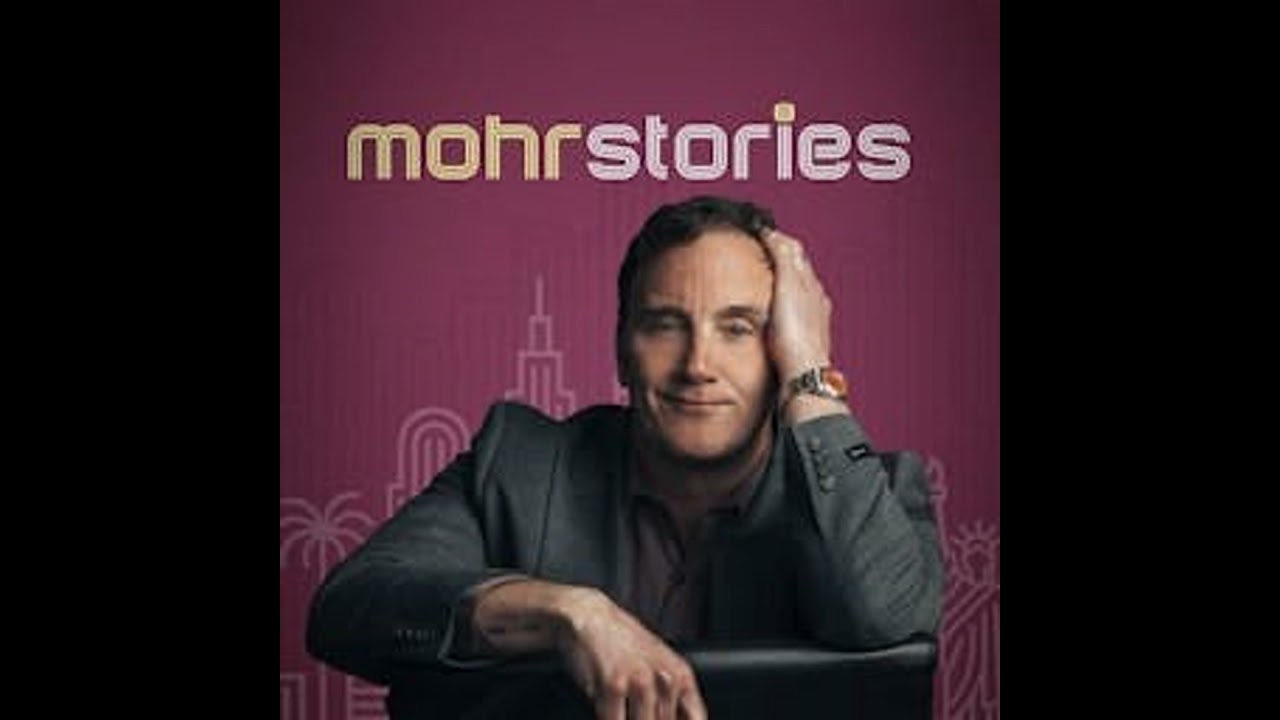
Jay Mohr host-read for Lucy on Mohr Stories
This Lucy read is Mohr voicing it himself, and it shows what the format does well. The personal framing is immediate ("whenever I want"), the favorite-flavor hook is specific rather than generic, and the offer is clean: promo code JAY, lucy.co/jay, 20% off the first order. The handoff stays in character, so the ad never breaks the tone of the show.
Two things a buyer should tighten. The code and URL repeat, which is good, but the CTA lands late and the read carries no urgency, no deadline, and no scarcity. When Mohr says "you're going to go to lucy.co/jay and you get 20% off your first order," the offer is there but nothing tells the listener to act now. A dated code or a limited-run line would give the same read a reason to convert on the first listen instead of the third.
View what a great sample ad looks like here.
What makes a show like this convert
- The format carries the code. Host-voiced reads keep listeners through the break, so the promo code actually gets heard and used.
- Host credibility is the product. Mohr's comic delivery makes the endorsement feel like a recommendation, not a sponsor slot.
- The audience is a single, buyable target. Mostly US men in their late 30s and 40s at comfortable income, which is why men's-health and fitness offers fit.
- Repeat buying proves the math. BlueChew's roughly 6 to 7 host-read ads say the brand kept coming back, which brands don't do when the reads don't return.
Mohr Stories in a nutshell
The audience is mostly US men in their late 30s and 40s at middle-to-upper income, with the show's pull concentrated in the feed. BlueChew, Quince, and FitBod all buy on host-read, endorsement-style reads voiced by Jay Mohr. Inventory is sold direct and quoted per campaign, not off a public rate card. If your objective is coded, trackable direct response, this feed fits; if you need broad brand awareness, it isn't the play.
Frequently asked questions
Mohr Stories is sold on a quoted basis rather than a public rate card. Four things move the number: placement (mid-roll host-read prices above pre-roll and post-roll), read type (a host endorsement prices above a produced spot), commitment length (multi-episode flights and category exclusivity price better than a single test), and how close you are to the air date. For market context, a host-read spot on a typical show costs a brand roughly $20 to $30 for every thousand listeners it reaches. In-demand shows clear well above that. The more useful signal for this show is who already buys: BlueChew has run roughly 6 to 7 ads, alongside Quince and FitBod. Repeat buying at that level tells you more about where a show prices, and what it's worth to the brands buying it, than an outside estimate can.
Ads run on most episodes, so the show is in demand and inventory moves fast. Plan on reaching out sooner than you think you need to.
Plan on about 1 week to book, 2 to 3 weeks to produce and run, plus 2 to 3 weeks of lead time, so roughly 5 to 7 weeks end to end.
Mohr Stories is sold direct rather than through one of the large networks. You can approach the show directly, or book through a platform that already has the show in its inventory. You can view different advertising platforms here.
If you sell to men in their late 30s and 40s and you measure by codes and clicks, yes. Spotsnow attributes nearly all of the show's activity to direct response, and its anchor buyers, BlueChew, Quince, and FitBod, all run host-read, coded offers. It's a conversion feed, not an awareness feed.
Mohr Stories isn't the only feed reaching this audience. Spotsnow shows which comedy podcasts have host-read spots open right now, and which brands already buy them.
Get on the last minute spots email list.
Find incredible discounts and opportunities on premium shows.
Get on the last minute spots email list.
Find incredible discounts and opportunities on premium shows.