

How to advertise on Have A Seat with Chris Hansen: what it costs, who buys, and how to book

Keshav Bagaade
Podcast Advertising Data Lead
Host-read inventory on this show is sold direct and quoted per campaign, not off a public rate card. Spotsnow data shows the host-read activity here is almost entirely direct response, and the top advertiser, Home Title Lock, has run roughly 17 to 21 host-read ads on the feed. That mix tells a buyer what this is: a conversion channel with a repeat buyer proving the math, not a reach play you test once. Spotsnow estimates all of this from tracked advertiser activity, not audience surveys. The show is Have A Seat with Chris Hansen.

Why Have A Seat with Chris Hansen is built for host-read direct response
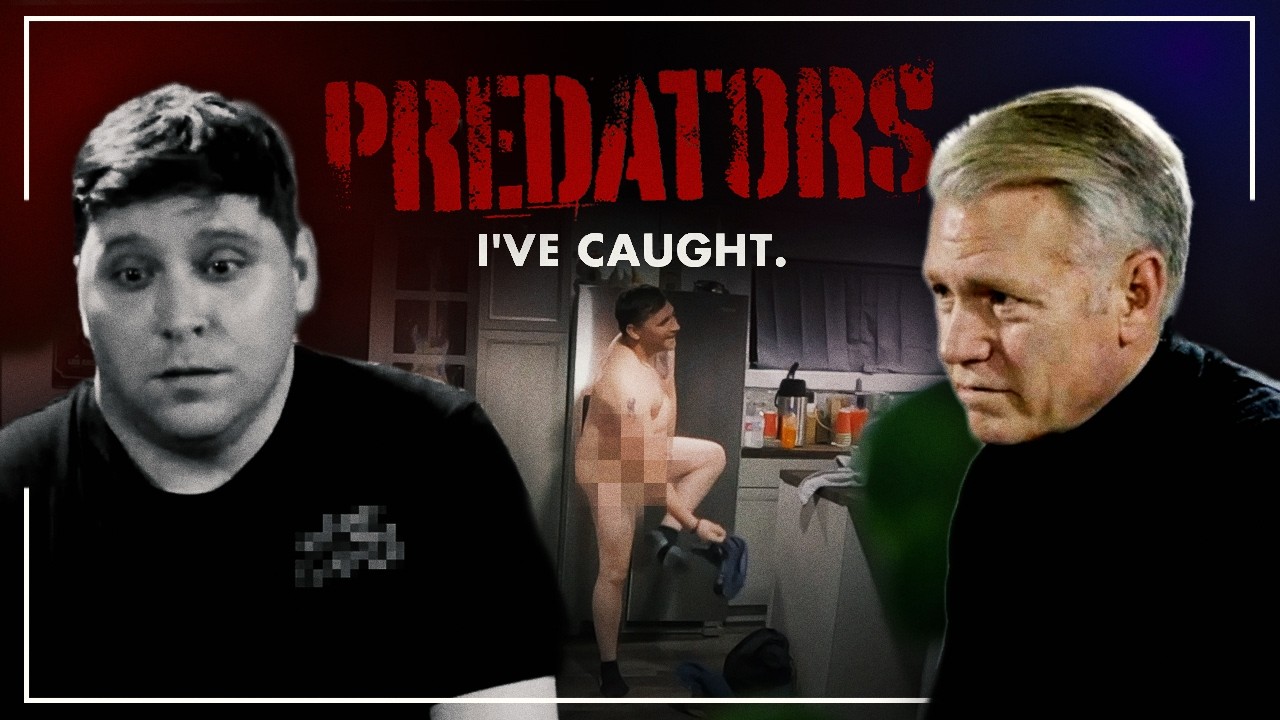
Chris Hansen is an investigative journalist, the reporter behind the predator sting format he still works in the show's "Predators I've Caught" segment. The feed sits in true crime, and it behaves like the serious end of the category rather than the chatty end.
Spotsnow data shows host-read activity on the show is almost entirely direct response, which matters because the whole buy runs on coded offers: promo codes, vanity URLs, and the attribution a brand needs to defend the line item. Spotsnow estimates reach at roughly 190,000 listeners, an estimated figure, not an audited one. The audience is mostly US based, working-age adults, tilting a bit female, with middle to upper-middle household incomes.
Forget rate cards for a second and look at format. This show is built out of interrogation audio, case reconstruction, and interviews with investigators, so listeners stay locked in through long stretches where nothing resolves. That sustained attention is exactly what a host-read borrows. When Hansen stops a case cold and says the FBI is warning about title theft, the ad inherits the same register as the story. A produced spot can't do that.
Influence here is concentrated rather than scattered. Spotsnow lists an Apple Podcasts average of 4.7 from roughly 1,450 to 1,610 reviews, and about 710,000 YouTube subscribers. The weight sits in the feed and the video channel, which is where the host reads actually land.
Who is advertising on Have A Seat with Chris Hansen
The roster splits cleanly: performance brands in identity protection, people search, and men's health buy the host reads, while big produced and dynamically inserted names buy around them. Recognizable buyers Spotsnow attributes to the show include Home Title Lock, Truthfinder, Netflix, Wayfair, and ZocDoc.
The anchor advertisers, broken down
Home Title Lock
Home Title Lock sells title monitoring and fraud restoration for homeowners. Spotsnow estimates it has run roughly 17 to 21 host-read ads on the show for an estimated total of over $100K, and Spotsnow classifies the brand's activity as direct response. It fits because this audience already thinks in terms of threat and paperwork, and a homeowner listening to a fraud explainer from Hansen is closer to buying protection than the same person hearing it from a stranger.
Truthfinder
Truthfinder is a people-search and background-check service. Spotsnow attributes roughly 11 to 13 host reads on the show to the brand, with an estimated total of over $60K, classified direct response. It's the rare sponsor that becomes part of the editorial: Hansen runs searches on subjects during stings and reports the result on air, so the product demo and the story are the same thing.
Mars Men
Mars Men sells men's health and performance treatment through a direct telehealth funnel. Spotsnow estimates roughly 6 to 8 host reads on the show and an estimated total of over $40K, also direct response. The buy makes sense on the male half of a large, middle-income adult audience that's already comfortable ordering a subscription off a code it heard spoken out loud.
The outlier: Netflix
Netflix runs here too, but as produced spots promoting title releases rather than coded host reads. It's a brand-awareness buyer rather than a coded-offer one, and its presence is useful evidence that the feed clears for pure association as well as for attribution.
| Brand | Est. total spend | Direct-response | Time of spend (last 1 year) |
|---|---|---|---|
| Home Title Lock | over $100K | Direct response | Steady across the year |
| Truthfinder | over $60K | Direct response | Steady across the year |
| Mars Men | over $40K | Direct response | Steady across the year |
All spend figures are Spotsnow estimates.
Why true crime brands cluster here
Most true crime feeds sell fear. This one sells investigation, and that's a different product for an advertiser. Hansen's authority isn't borrowed from a case file, it's his own job, and the audience shows up because he does the catching. So when the read is about a forged signature on a county document, or a background check that turns up no prior record, the ad is operating inside the host's actual expertise instead of next to it.
That's why the clustering looks the way it does. Identity protection, title monitoring, background search, and personal-security adjacent products all answer the same question the show plants in a listener's head every episode: how exposed am I? A buyer in security, insurance, legal services, or home protection is reaching an audience that has spent forty minutes being shown what goes wrong when nobody checks. Codes work here because the product resolves the anxiety the content created. A snack brand would be fighting the feed. A protection brand is finishing its sentence.
How your ad could sound
Home Title Lock host read with Chris Hansen
The top spender's read is a clinic in how this feed converts. Hansen opens with "If you're a homeowner in America, you need to listen to this," cites the FBI warning, then walks the fraud step by step: a forged signature, a fake notary stamp, a county filing, and someone else on record owning your house. Only then does the offer arrive, and it arrives personally: "I've partnered with Home Title Lock." The sign-off is his own catchphrase, "I'll be watching," which welds the ad to the persona.
What works: the hook is loss framed, not product framed, the mechanic is explained before the fix is sold, and the offer is clean, a promo code plus a free title history report and a free trial.
What's worth tightening: the code gets spoken fast and spelled mid-flow, which buries it right where a listener needs it clearest, and the CTA leans on "or use the link below," which does nothing for someone driving. There's also no deadline anywhere in the read. Give the host a date or a quantity and the same script gets more out of the same break.
View what a great sample ad looks like here.
What makes a show like this convert
- The format carries the offer. Spotsnow data shows host-read activity here is almost entirely direct response, so the ad break is already built for codes and URLs rather than for brand atmosphere.
- The host's credential does the selling. An investigative journalist explaining a fraud mechanic reads as reporting, which is why a protection product lands instead of bouncing.
- The audience is the buyer. Spotsnow estimates roughly 190,000 listeners, mostly in the US, working-age and middle to upper-middle income, the profile that actually owns a home and a credit file.
- The repeat buying proves the math. Home Title Lock has run roughly 17 to 21 host reads on the show per Spotsnow, and performance advertisers don't renew that many times on a channel that isn't returning.
Have A Seat with Chris Hansen in a nutshell
You're reaching an estimated 190,000 mostly American adults who treat crime reporting as information, not entertainment, and who skew middle to upper-middle income. The buyers already there are protection and people-search brands working in host-read endorsements, with streaming and retail names buying produced spots in the same episodes. The show is sold direct and quoted per campaign, so there's no network desk in the middle. If you need coded attribution, this is a direct-response feed first; if you want association with an investigative brand, the produced-spot buyers show that works too.
Frequently asked questions
Have A Seat with Chris Hansen is sold on a quoted basis rather than a public rate card. Four things move the number: placement (mid-roll host-read prices above pre-roll and post-roll), read type (a host endorsement prices above a produced spot), commitment length (multi-episode flights and category exclusivity price better than a single test), and how close you are to the air date. For market context, a host-read spot on a typical show costs a brand roughly $20 to $30 for every thousand listeners it reaches. In-demand shows clear well above that. The more useful signal for this show is who already buys: Home Title Lock has run roughly 17 to 21 ads, alongside Truthfinder and Mars Men. Repeat buying at that level tells you more about where a show prices, and what it's worth to the brands buying it, than an outside estimate can.
Ads run on most episodes, so the show is in demand and inventory moves fast. Plan on reaching out sooner than you think you need to.
Figure about 1 week to book, 2 to 3 weeks to produce and run, plus 2 to 3 weeks of lead time, so roughly 5 to 7 weeks end to end.
Have A Seat with Chris Hansen is sold direct rather than through one of the large networks. You can approach the host's team, or book through a platform that already has the show in its inventory. You can view different advertising platforms here.
Yes, and they're the anchors. Spotsnow attributes host-read direct-response campaigns on the show to Home Title Lock in title protection and Truthfinder in background search, with Mars Men running a telehealth offer. If you sell protection, monitoring, or anything a listener buys to reduce personal risk, the category is already proven here, which also means you should ask about exclusivity.
Spotsnow estimates roughly 190,000 listeners, an estimated audience size rather than a counted one. It's heavily concentrated in the US, working-age, tilting slightly female, with middle to upper-middle household incomes. Engagement shows up in the ratings too: Spotsnow lists a 4.7 Apple Podcasts average from roughly 1,450 to 1,610 reviews, plus about 710,000 YouTube subscribers.
Have A Seat with Chris Hansen isn't the only feed reaching this audience. Spotsnow shows which true crime podcasts have host-read spots open right now, and which brands already buy them.
Get on the last minute spots email list.
Find incredible discounts and opportunities on premium shows.
Get on the last minute spots email list.
Find incredible discounts and opportunities on premium shows.