

How to advertise on Friends Per Second: what it costs, who buys, and how to book

Abhishek Thory
Founding Team, Podcast Ad Data & Research
Every tracked host-read sponsorship on Friends Per Second is direct-response. Spotsnow attributes a 100% direct-response share to the show's host-read activity, and its inventory sells the way most independent gaming feeds do: host-read, quoted per campaign, not off a public rate card. Raycon, the top spender, has run around 4 host-read spots, and that repeat pattern is the tell for a buyer weighing a coded, conversion-focused test. Spotsnow estimates all of this from tracked advertiser activity, not audience surveys. See Friends Per Second on Spotsnow.

Why Friends Per Second is built for host-read direct response
Jake Baldino hosts, the co-owner and lead video producer at Gameranx, best known for the honest "Before You Buy" review series. The show sits in technology, with a gaming and consumer-hardware lean.
Spotsnow attributes a 100% direct-response share here. That matters because direct-response reads carry codes, URLs, and offers you can attribute, so a brand can watch a spot move sales rather than guess at lift. Spotsnow estimates the audience at roughly 120,000 listeners, an estimate, not an audited count.
The format holds attention because the show is a roundtable of gaming journalists arguing about releases, not a scripted news read. Listeners stay through the banter, and a host endorsement borrows that same trust when Baldino, a reviewer who declines developer sponsorships, vouches for a product. That is the mechanism a host-read rents.
On influence, Spotsnow data shows a 4.8 Apple Podcasts rating from roughly 360 to 400 ratings, and Baldino's YouTube reach sits near 486,000 subscribers (estimated). The pull is concentrated in the feed and on YouTube rather than spread evenly across every social platform, which is exactly where a gaming audience pays attention.
Who is advertising on Friends Per Second
The roster leans consumer tech, DTC subscriptions, careers, and finance. Spotsnow data shows roughly 22 to 25 distinct brands in the last three months, including Raycon, LinkedIn, SoFi, Indeed, and Bose.
The anchor advertisers, broken down
.jpg?alt=media&token=2340c31a-852e-418d-be8c-db9f8c8d5f83)
Raycon
Raycon sells wireless earbuds and audio gear. Spotsnow data shows Raycon has run around 4 host-read spots with an estimated total spend of over $10K, all classified direct-response. Audio hardware sold to a young, gadget-literate gaming crowd is close to a native fit, which is why it keeps coming back.

Factor
Factor sells ready-to-eat meal delivery. Spotsnow data shows a host-read presence with an estimated total spend of over $1K, classified direct-response. Convenience meals land with a busy, higher-income audience that games and works on a screen most of the day.
Delete Me
Delete Me removes personal data from broker sites and people-search databases. Spotsnow data shows a host-read presence with an estimated total spend of over $1K, classified direct-response. A privacy-savvy, terminally-online audience is primed to act on a data-removal pitch, which is why it converts on a coded offer.
| Brand | Est. total spend | Direct-response | Time of spend (last 1 year) |
|---|---|---|---|
| Raycon | Over $10K | Yes | Active through mid-2026 |
| Factor | Over $1K | Yes | Mid-2026 |
| Delete Me | Over $1K | Yes | Mid-2026 |
All spend figures are Spotsnow estimates.
Why technology brands cluster here
The audience is the pitch. Spotsnow describes it as young, heavily male, US-centered, and comfortably middle to upper-middle income, the kind of buyer who already spends on hardware, subscriptions, and gear. Pair that with a host whose whole brand is telling people whether a product is worth their money, and the fit writes itself. Raycon is not buying reach on Friends Per Second. It's buying a recommendation from someone this crowd already trusts to be honest about gear, and then measuring the codes. Earbuds, meal kits, and a privacy service all sell to the same profile: online, decision-ready, and used to acting on a link. That is why the roster tilts DTC and consumer tech instead of broad awareness brands, and why the reads run direct-response rather than image spots.
How your ad could sound
Here's Baldino's host-read style in a Vessi endorsement on his channel, a clean example of how he handles a sponsor mid-content.
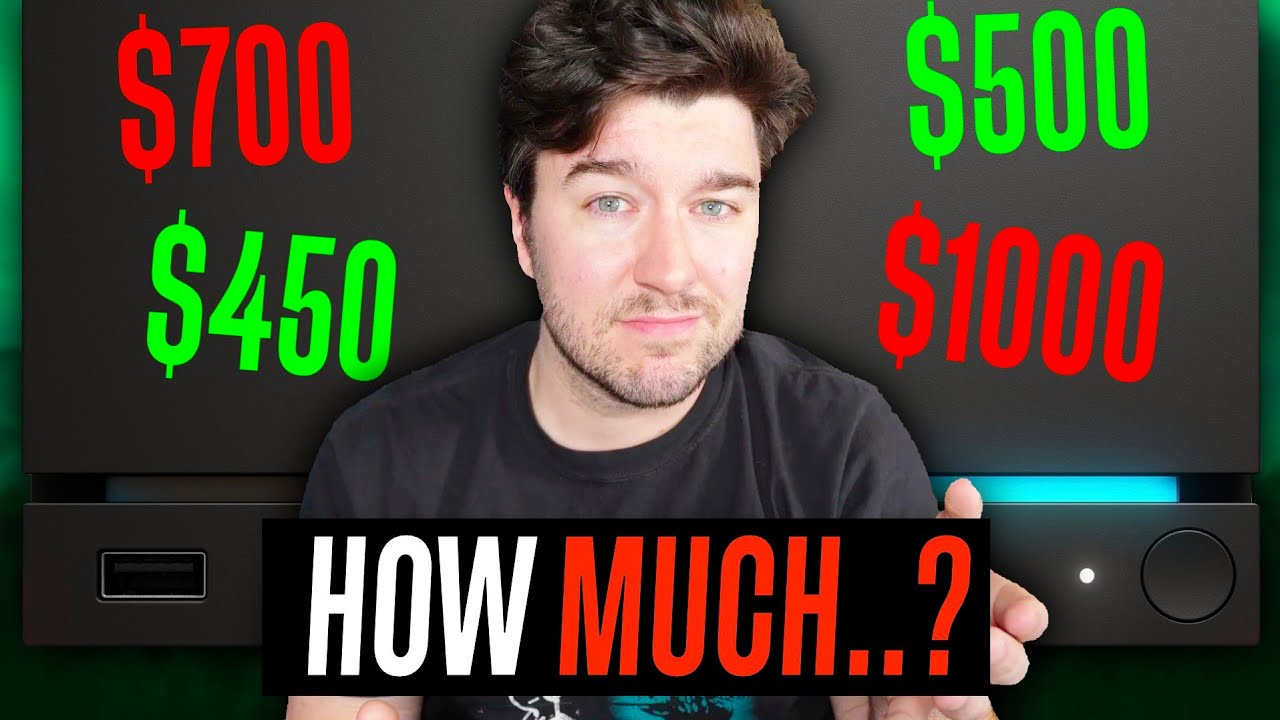
Jake Baldino reading a host-read sponsor spot
What works: he opens personally ("I have been rocking these on my feet for a long time"), ties the product to a seasonal hook so the pitch feels timely, and lands a specific offer of 25% off sitewide with select styles up to 55% off. The handoff back into the video is smooth, so it never feels like an interruption.
What to tighten: the call to action leans on "click the link in the description," which travels poorly to audio-only listeners, and there's no single memorable promo code to anchor attribution. The urgency is generic ("while supplies last"). For a direct-response buy, give him one short code and a spoken URL so the ear can catch it. View what a great sample ad looks like here.
What makes a show like this convert
- Host-read beats produced spots. Spotsnow attributes a 100% direct-response share here, and coded reads let a brand tie sales back to the spot.
- The host has earned skepticism. Baldino built a following on honest reviews and declining developer sponsorships, so an endorsement carries weight.
- The audience is decision-ready. A young, mostly male, comfortably-incomed tech crowd already buys gear and subscriptions online.
- Repeat buying proves the math. Raycon has come back for around 4 host-read spots, and brands don't re-book reads that don't pay.
Friends Per Second in a nutshell
The listeners skew young, male, US-based, and comfortably incomed, and they treat the hosts as trusted buying guides. Consumer-tech and DTC brands like Raycon, Factor, and Delete Me already buy in, and they buy host-reads, not produced filler. The show is sold direct on a quoted, per-campaign basis rather than through a large network. If your goal is coded, attributable direct response to a gaming and tech buyer, this is a fit. If you only want broad awareness, look elsewhere.
Frequently asked questions
Friends Per Second is sold on a quoted basis rather than a public rate card. Four things move the number: placement (mid-roll host-read prices above pre-roll and post-roll), read type (a host endorsement prices above a produced spot), commitment length (multi-episode flights and category exclusivity price better than a single test), and how close you are to the air date. For market context, a host-read spot on a typical show costs a brand roughly $20 to $30 for every thousand listeners it reaches. In-demand shows clear well above that. The more useful signal for this show is who already buys: Raycon has run around 4 host-read spots, alongside Factor and Delete Me. Repeat buying at that level tells you more about where a show prices, and what it's worth to the brands buying it, than an outside estimate can.
Ads run on most episodes, so the show is in demand and inventory moves fast. Plan on reaching out sooner than you think you need to.
Plan on about 1 week to book, 2 to 3 weeks to produce and run, plus 2 to 3 weeks of lead time, so roughly 5 to 7 weeks end to end.
Friends Per Second is sold direct rather than through one of the large networks. You can approach the host's team at Gameranx, or book through a platform that already has the show in its inventory. You can view different advertising platforms here.
Yes. Spotsnow attributes a 100% direct-response share to the show's host-read activity, and the anchor roster is consumer tech and DTC. If you want coded, attributable reads to a young male gaming and tech audience, the format lines up with your objective.
Friends Per Second isn't the only feed reaching this audience. Spotsnow shows which technology podcasts have host-read spots open right now, and which brands already buy them.
Get on the last minute spots email list.
Find incredible discounts and opportunities on premium shows.
Get on the last minute spots email list.
Find incredible discounts and opportunities on premium shows.