

How to advertise on Fly on the Wall with Dana Carvey and David Spade: what it costs, who buys, and how to book

Aiza Arcilla
Campaign Operations Manager
Host-read inventory on Fly on the Wall with Dana Carvey and David Spade sells on a quoted basis through the show's network, not off a public rate card. Spotsnow classifies roughly 9 in 10 of the show's tracked ads as direct response, so brands here buy coded, attributable reads rather than image spots. The top repeat buyer, 5-hour Energy, has run roughly 55 to 64 ads on the feed. For a buyer weighing this show, that mix reads as a place where a host endorsement is expected to move product, not just build awareness. Spotsnow estimates all of this from tracked advertiser activity, not audience surveys.

Why Fly on the Wall is built for host-read direct response
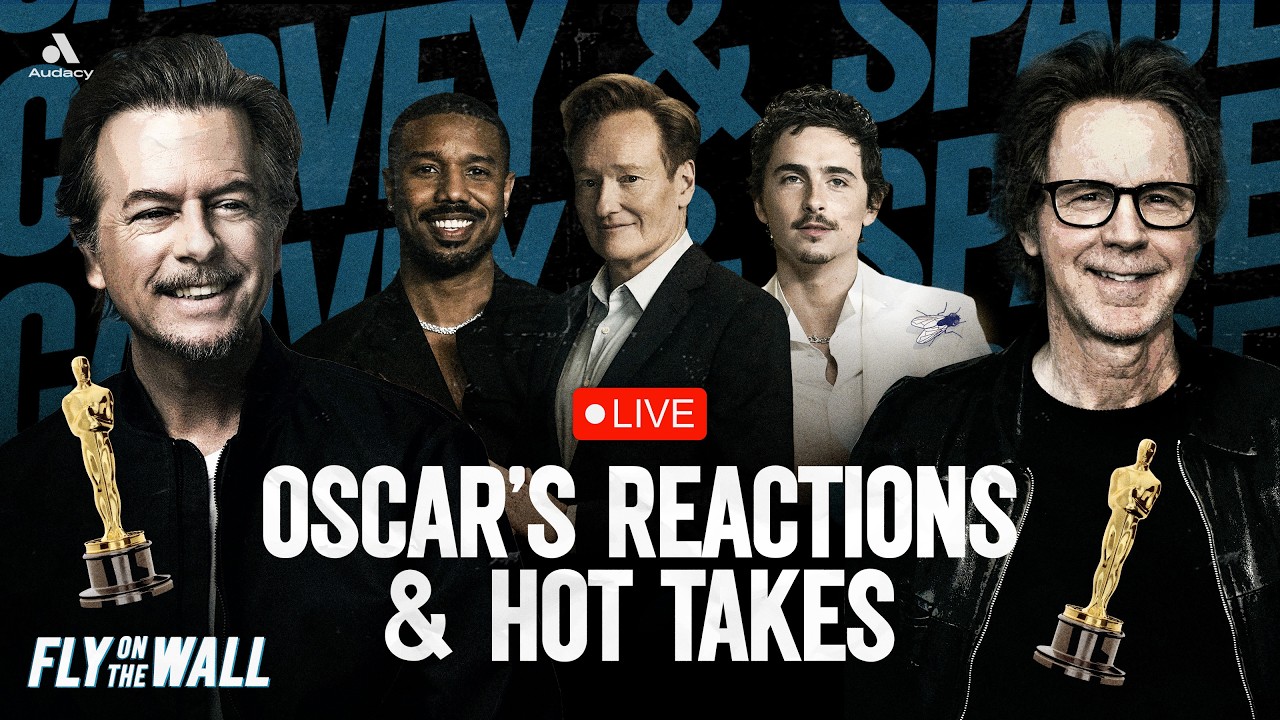
The show is co-hosted by David Spade and Dana Carvey, both former Saturday Night Live cast members. It sits in retail and consumer territory, where the top spenders live, though the show itself is a comedy feed.
Spotsnow data shows the direct-response share sits around 9 in 10 tracked ads. That matters because direct response lives on codes, vanity URLs, and clean attribution, and this show gives it a natural home. Spotsnow estimates reach at roughly 255,000 listeners per episode, and calls that figure an estimate, not an audited count.
Where a rate-card argument would sit, the format does the work instead. Spade and Carvey turn sponsorships into recurring bits, riffing on a product in character before the handoff. That's the exact attention a host-read borrows: the ad break doesn't feel like a break, so listeners stay through the pitch. A coded offer read that way tends to convert better than a produced spot dropped into the same slot.
On influence, Spotsnow attributes about 93,000 Instagram followers to the show's account. The pull is concentrated in the feed and on Instagram rather than spread thin across every platform, which is where the coded reads land anyway.
Who is advertising on Fly on the Wall
The roster leans toward DTC, retail, and mass entertainment brands that want a trusted host to carry an offer. Spotsnow tracks roughly 89 to 104 advertisers on the show. Recognizable names include Amazon Prime, Audible, Toyota, Instacart, and State Farm.
The anchor advertisers, broken down
Quince

Quince sells affordable-luxury apparel and home essentials direct to consumers. Spotsnow data shows roughly 41 to 48 ads on the show and estimated total spend over $100K, classified as direct response. It's a clean coded-offer product, and this audience trusts a host recommendation enough to click through.
5-hour Energy
5-hour Energy is an impulse, everyday consumer product. Spotsnow data shows roughly 55 to 64 ads, the highest ad volume on the show, with estimated total spend over $100K and a direct-response classification. The hosts riff on it in-read as a running segment, and it's the top repeat buyer by ad count, which is the clearest proof the format converts here.
Amazon Prime

Amazon Prime uses the feed for high-frequency direct pushes to a pop-culture-native crowd. Spotsnow data shows roughly 9 to 11 ads and estimated total spend over $50K, classified as direct response. It runs in heavier bursts across fewer months than the other two, a different cadence that still fits a mass-entertainment brand chasing pop-culture attention.
| Brand | Est. total spend | Direct response | Time of spend (last 1 year) |
|---|---|---|---|
| Quince | over $100K | Yes | Nov 2025 to Jul 2026 |
| 5-hour Energy | over $100K | Yes | Nov 2025 to Jul 2026 |
| Amazon Prime | over $50K | Yes | Nov 2025, Mar 2026, Jul 2026 |
All spend figures are Spotsnow estimates.
Why retail and DTC brands cluster here
The audience skews male and middle-aged, mostly in the US, with a meaningful slice of high earners. That's a buyer who has money and a soft spot for two comics they grew up watching. When Spade and Carvey vouch for a cashmere sweater or a caffeine shot, the endorsement carries because the trust was built over decades of SNL and film. Retail and DTC brands cluster here for that exact reason: the product needs a credible voice and a low-friction offer, and the hosts supply the first while a promo code supplies the second. The repeat buying tells the rest of the story. Quince and 5-hour Energy don't run dozens of reads across nearly a full year unless the codes are firing.
How your ad could sound
5-hour Energy host-read on Fly on the Wall
This 5-hour Energy read is a model of native integration. The hosts brand a recurring segment, "Buzzing Around, Sponsored by Five Hour Energy," then riff on the "fruity rainbow flavor" and a "candy flavored chaos" caffeine kick. What works: the sponsorship is woven into a bit the audience already expects, the hosts stay in character, and the handoff feels natural instead of scripted.
What's worth tightening is the close. There's no promo code, no urgency, and the call to action, buy it "online at 5hourenergy.com or Amazon," is soft and buried at the very end. For a direct-response buy, that's the piece to fix: a memorable code and a reason to act now would give the read something to measure.
View what a great sample ad looks like here.
What makes a show like this convert
- The format holds attention. Spade and Carvey turn sponsorships into recurring bits, so listeners stay through the break instead of skipping it.
- Host credibility carries the offer. Two former SNL comics vouching for a product lends the endorsement weight a produced spot can't buy.
- The audience can buy. Spotsnow describes it as skewing male and middle-aged, US-based, with a meaningful share of high earners.
- The repeat buying proves the math. 5-hour Energy alone has run roughly 55 to 64 ads on the feed, cadence you only sustain when the coded reads pay back.
Fly on the Wall in a nutshell
The audience skews male and middle-aged, sits mostly in the US, and carries a solid share of high-income households. DTC and retail brands already buy in, with Quince and 5-hour Energy running dozens of coded host reads apiece and Amazon Prime running heavier, shorter bursts. The show sells on a quoted basis through its network, not off a public rate card. If you're weighing a buy, treat this as a direct-response feed first: it rewards a clean offer and a trusted voice, not an image play.
Frequently asked questions
Fly on the Wall is sold on a quoted basis rather than a public rate card. Four things move the number: placement (mid-roll host-read prices above pre-roll and post-roll), read type (a host endorsement prices above a produced spot), commitment length (multi-episode flights and category exclusivity price better than a single test), and how close you are to the air date. For market context, a host-read spot on a typical show costs a brand roughly $20 to $30 for every thousand listeners it reaches. In-demand shows clear well above that. The more useful signal for this show is who already buys: 5-hour Energy has run roughly 55 to 64 ads, alongside Quince and Amazon Prime. Repeat buying at that level tells you more about where a show prices, and what it's worth to the brands buying it, than an outside estimate can.
Ads run on most episodes, so the show is in demand and inventory moves fast. Plan on reaching out sooner than you think you need to.
Figure about 1 week to book, 2 to 3 weeks to produce and run, plus 2 to 3 weeks of lead time, so roughly 5 to 7 weeks end to end.
Fly on the Wall is sold through iHeartRadio. You can approach them directly, or book through a platform that already has the show in its inventory. You can view different advertising platforms here.
Both run, but the show's identity is host-read direct response. Spotsnow classifies roughly 9 in 10 tracked ads as direct response, and the anchor spenders like Quince and 5-hour Energy lean heavily on coded host endorsements woven into the hosts' banter.
Fly on the Wall isn't the only feed reaching this audience. Spotsnow shows which comedy podcasts have host-read spots open right now, and which brands already buy them.
Get on the last minute spots email list.
Find incredible discounts and opportunities on premium shows.
Get on the last minute spots email list.
Find incredible discounts and opportunities on premium shows.