

How to advertise on Film Theory: what it costs, who buys, and how to book

Keshav Bagaade
Podcast Advertising Data Lead
Film Theory sells its host-read inventory the way most creator-led shows do: quoted per campaign, not off a public rate card. Spotsnow data shows every tracked host-read on the feed goes to a direct-response advertiser, a rare 100% lean toward coded, measurable buys. Its anchor advertiser, Indeed, has run roughly 5 to 6 ads here. For a buyer, that mix reads clearly: this is a performance feed where the offer and the code do the work, not a soft awareness placement. Spotsnow estimates all of this from tracked advertiser activity, not audience surveys.

You can see the full profile for Film Theory on Spotsnow.
Why Film Theory is built for host-read direct response
The show is hosted by Lee, the research-heavy media analyst behind the Film Theory franchise, and it sits in the TV and film category. Spotsnow attributes 100% of tracked host-read activity to direct-response brands, which tells you the format works here: promo codes, vanity URLs, and attribution that lands in a dashboard. Spotsnow estimates reach at roughly 620,000 listeners, and that is an estimate, not an audited count.
The format argument is really about attention. Film Theory episodes are long, argument-driven breakdowns, so listeners stay in the seat while Lee builds a case. When the ad break arrives, that same patient attention carries into the read. A host-read borrows the credibility of the person making the argument, and a research-first host lends more of it than a jingle ever could.
On influence, the numbers back the read. Spotsnow data shows an Apple Podcasts rating of 4.8 out of 5 across roughly 1,370 to 1,510 ratings, and a YouTube following of about 13.4 million subscribers. The pull is concentrated in the feed and on the channel rather than spread across every social platform, which means the audience shows up where the host actually talks to them.
Who is advertising on Film Theory
The roster splits between big produced streaming buys and recurring host-read service brands. Recognizable names in the recent window include Disney+, Prime Video, Indeed, HBO Max, and Shopify. Spotsnow lists on the order of 30 to 37 advertisers over the tracked period.
The anchor advertisers, broken down
Indeed
Indeed runs the global job-search platform, and it's the heaviest tracked buyer on the show. Spotsnow data shows roughly 5 to 6 ads and estimated total spend of over $60K, all classified as direct response. A young, mobile, job-and-side-hustle-minded audience is exactly who Indeed wants filling out applications, and coded landing pages make that response measurable.
Strawberry.me
Strawberry.me is an online life-coaching platform that matches users with a coach fast. Spotsnow data shows roughly 1 to 2 ads and estimated total spend of over $20K, fully direct response. Self-improvement lands with an audience already wired to go deep, research, and act on a recommendation.
Chime, the outlier
Chime, a no-fee mobile banking app, is the interesting exception. It ran roughly 1 to 2 ads as a personal host endorsement rather than a produced spot. A fee-averse, income-building young audience maps cleanly to a fee-free bank, and the way Lee framed it shows an awareness-flavored objective can still work on a feed that mostly runs on codes.
| Brand | Est. total spend | Direct-response | Time of spend (last 1 year) |
|---|---|---|---|
| Indeed | over $60K | Yes | May to July 2026 |
| Strawberry.me | over $20K | Yes | June 2026 |
| Chime | Qualitative, host endorsement | Yes | April 2026 |
All spend figures are Spotsnow estimates.
Why TV and film brands cluster here
Look at who actually converts and a pattern shows up: jobs, coaching, banking. These are decision brands, not impulse buys. They want a listener who researches before acting, and Film Theory's whole appeal is a host who researches before arguing. That authority transfers. When Lee vouches for a service, the audience treats it the way they treat one of his theories, worth chasing down. The streaming names buy the association, but the repeat performance buyers, the ones coming back for a fourth and fifth read, are betting the show sends people who click through and finish the signup. A young, US-heavy fandom that trusts the host is a rare thing to buy at podcast scale, and that trust is what the coded reads are really paying for.
How your ad could sound
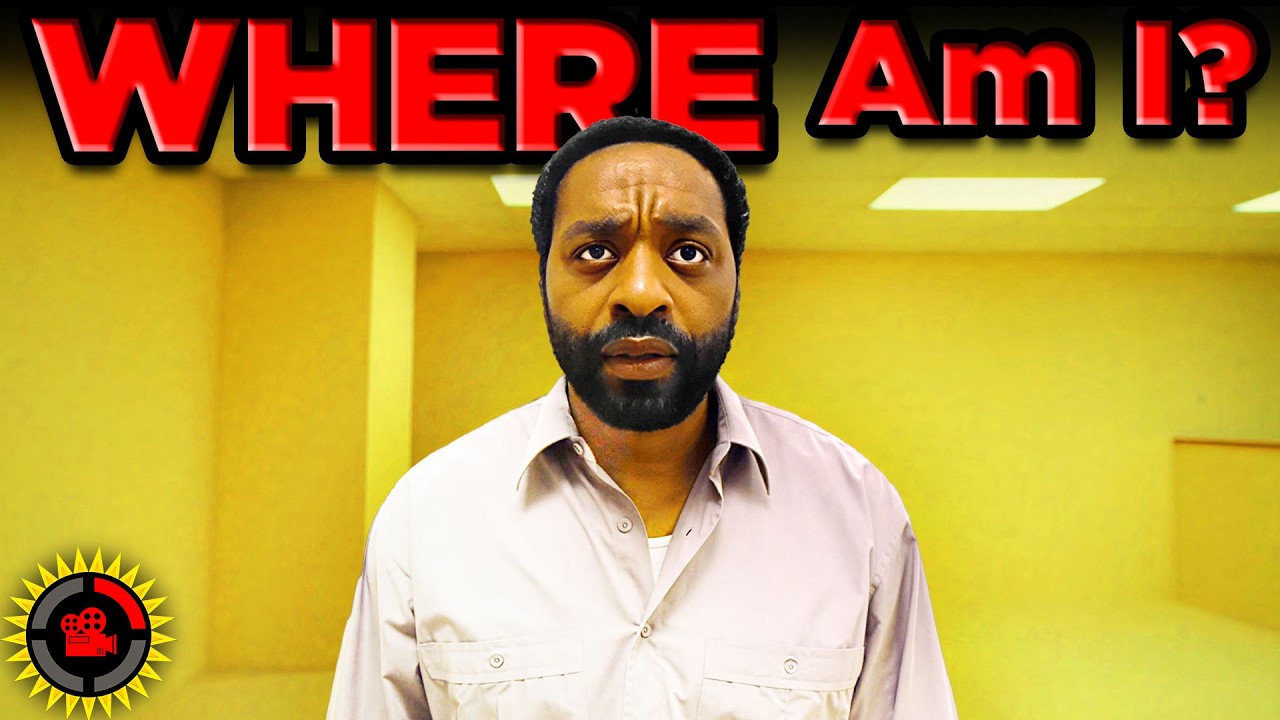
Chime host-read on Film Theory
The Chime read is a clean template for this feed. What works: Lee opens in the first person and frames Chime as a "longunning partner of the channel", which borrows his credibility instead of resetting it. The offer is concrete (a $100 bonus through his link), and the reason to believe is delivered conversationally: "3.75% APY, that's nine times higher than the national average." The handoff back to content, "let's get back into the back rooms," keeps the break from feeling like a hard stop.
Two things worth tightening. The redemption path leans on "link in the description or the QR code on screen," which is fine on YouTube but harder to attribute on audio-only feeds where there is no screen. A short spoken vanity URL travels better. And there's no deadline or scarcity cue, so nothing pushes a listener to act now rather than later. On this show, a spoken code plus a reason to move quickly would sharpen an already strong read.
View what a great sample ad looks like here.
What makes a show like this convert
- The format keeps attention through the break. Long, argument-driven episodes mean listeners are still there when the read starts, so the offer actually gets heard.
- The host is a research credential, not just a voice. Lee's whole brand is doing the homework, which is why a recommendation from him carries weight a produced spot can't fake.
- The audience is wired to act. It skews young, male, and US-heavy, and it's the kind of crowd that chases down a link, which is what direct response needs.
- Repeat buying proves the math. Indeed's roughly 5 to 6 reads is the clearest signal: brands don't come back this often unless the coded results hold up.
Film Theory in a nutshell
The audience skews young and male, concentrated in the US with a meaningful UK and Canada tail, and it trusts the host. The brands that already buy, Indeed and Strawberry.me among them, run coded host-reads built to be measured, with Chime showing an endorsement play can work too. The show is sold on a quoted, per-campaign basis rather than a rate card. If you're a direct-response buyer with a clean offer and a code, this feed fits; if you only want soft reach with no attribution, it's not where the show earns its keep.
Frequently asked questions
Film Theory is sold on a quoted basis rather than a public rate card. Four things move the number: placement (mid-roll host-read prices above pre-roll and post-roll), read type (a host endorsement prices above a produced spot), commitment length (multi-episode flights and category exclusivity price better than a single test), and how close you are to the air date. For market context, a host-read spot on a typical show costs a brand roughly $20 to $30 for every thousand listeners it reaches. In-demand shows clear well above that. The more useful signal for this show is who already buys: Indeed has run roughly 5 to 6 ads, alongside Strawberry.me and Chime. Repeat buying at that level tells you more about where a show prices, and what it's worth to the brands buying it, than an outside estimate can.
Ads run on most episodes, so the show is in demand and inventory moves fast. Plan on reaching out sooner than you think you need to.
About 1 week to book, 2 to 3 weeks to produce and run, plus 2 to 3 weeks of lead time, so roughly 5 to 7 weeks end to end.
Film Theory is sold direct rather than through one of the large networks. You can approach the host's representation or book through a platform that already has the show in its inventory. You can view different advertising platforms here.
If you're a performance brand, yes. Spotsnow attributes 100% of tracked host-read activity on Film Theory to direct-response advertisers, and the buyers who come back, jobs, coaching, and banking services, all lean on codes and links. Bring a clean offer and a way to attribute it, and the format is built for you.
Film Theory isn't the only feed reaching this audience. Spotsnow shows which TV and film podcasts have host-read spots open right now, and which brands already buy them.
Get on the last minute spots email list.
Find incredible discounts and opportunities on premium shows.
Get on the last minute spots email list.
Find incredible discounts and opportunities on premium shows.