

How to advertise on Duck Call Room: what it costs, who buys, and how to book

Lex Quintilla
Advertiser Partnerships Manager
Duck Call Room sells its host-read inventory direct and quoted per campaign, not off a public rate card. Spotsnow estimates that roughly nine in ten reads on the show are direct-response, coded and built to track. The top spender, PhD Weight Loss, has run roughly 12 to 14 ads here. For a buyer weighing the feed, that mix says one thing: this is a place brands come to move product, not just to be heard. Spotsnow estimates all of this from tracked advertiser activity, not audience surveys.

You can see the full show data on Duck Call Room's Spotsnow profile.
Why Duck Call Room is built for host-read direct response
The show is hosted by the Duck Commander crew, led by Si Robertson ("Uncle Si"), a US Army Vietnam veteran and the family's duck-call maker, alongside Justin Martin and other Robertson-family regulars. This is the real crew behind Duck Dynasty, not a fan spin-off. Spotsnow files the show under society and culture, with a retail-heavy advertiser base.
Spotsnow estimates the direct-response share sits in the high 90s, which is about as one-sided as podcast advertising gets. That matters because direct response lives on codes, custom URLs, and attribution, and this feed is set up to carry all three. Estimated reach is roughly 140,000 listeners per episode, an estimate rather than an audited count. The Duck Call Room format holds attention through the break: the hosts talk over each other, riff, and pivot into a read without breaking the room's rhythm. A host endorsement borrows that trust, and on this show the trust is the product.
Influence backs it up. Spotsnow data shows an Apple Podcasts average rating of 4.9 across roughly 5,300 to 5,900 ratings, with about 219,000 Instagram followers and around 226,000 YouTube subscribers. The audience skews male, though with a sizable female share, concentrated among younger adults, solidly middle to upper-middle income, and overwhelmingly US-based. Its interests run to hunting, the outdoors, Christian faith, family, and Southern culture.
Who is advertising on Duck Call Room
The roster is deep and varied, with Spotsnow tracking roughly 65 to 76 recent advertisers. Recognizable names include AG1, Fast Growing Trees, Rocket Money, Mint Mobile, and Tecovas.
The anchor advertisers, broken down
PhD Weight Loss
PhD Weight Loss runs a doctor-led weight-loss program. Spotsnow attributes it roughly 12 to 14 ads and an estimated total spend of over $40K on the show, classified direct-response. A health-minded, family-first Southern audience is exactly who a coached weight-loss program wants hearing a trusted voice vouch for it.
AG1
AG1 sells a daily greens supplement. Spotsnow attributes it roughly 9 to 11 ads and an estimated total spend of over $40K, also direct-response. Health-conscious listeners who already care about routine and the outdoors are a clean fit for a once-a-day habit product.
Fast Growing Trees
Fast Growing Trees ships trees and plants to your door. Spotsnow attributes it roughly 5 to 6 ads and an estimated total spend of over $20K, direct-response. Homeowners in rural and suburban America with land to work are the buyer this brand chases, and the feed is full of them.
The national-brand outlier
Big national names also run produced spots here, not host-reads: Pepsi, Toyota, Delta, Choice Hotels. They aren't chasing codes. They're buying the reach and the association with a wholesome, US-centered audience, which shows an awareness play can work alongside the DR machine.
| Brand | Est. total spend | Direct-response | Time of spend (last 1 year) |
|---|---|---|---|
| PhD Weight Loss | over $40K | Yes | Active through recent months |
| AG1 | over $40K | Yes | Active through recent months |
| Fast Growing Trees | over $20K | Yes | Active through recent months |
All spend figures are Spotsnow estimates.
Why society and culture brands cluster here
The advertiser mix isn't random. Supplements, a weight-loss program, and a mail-order nursery all sell to the same person: a US homeowner who trusts the guy talking, wants to improve something in their life, and buys when a name they respect tells them to. Uncle Si and the crew carry Duck Commander authority into every read, and their audience treats their word the way a small town treats a neighbor's recommendation. That's why coded DTC offers stack up faster here than they do on a bigger, more skeptical feed. The audience doesn't tune out the ad because the ad sounds like the show. Buy this feed for conversions first, and take the reach as a bonus.
How your ad could sound
Here's a real recent read from the Duck Call Room feed to set the tone.
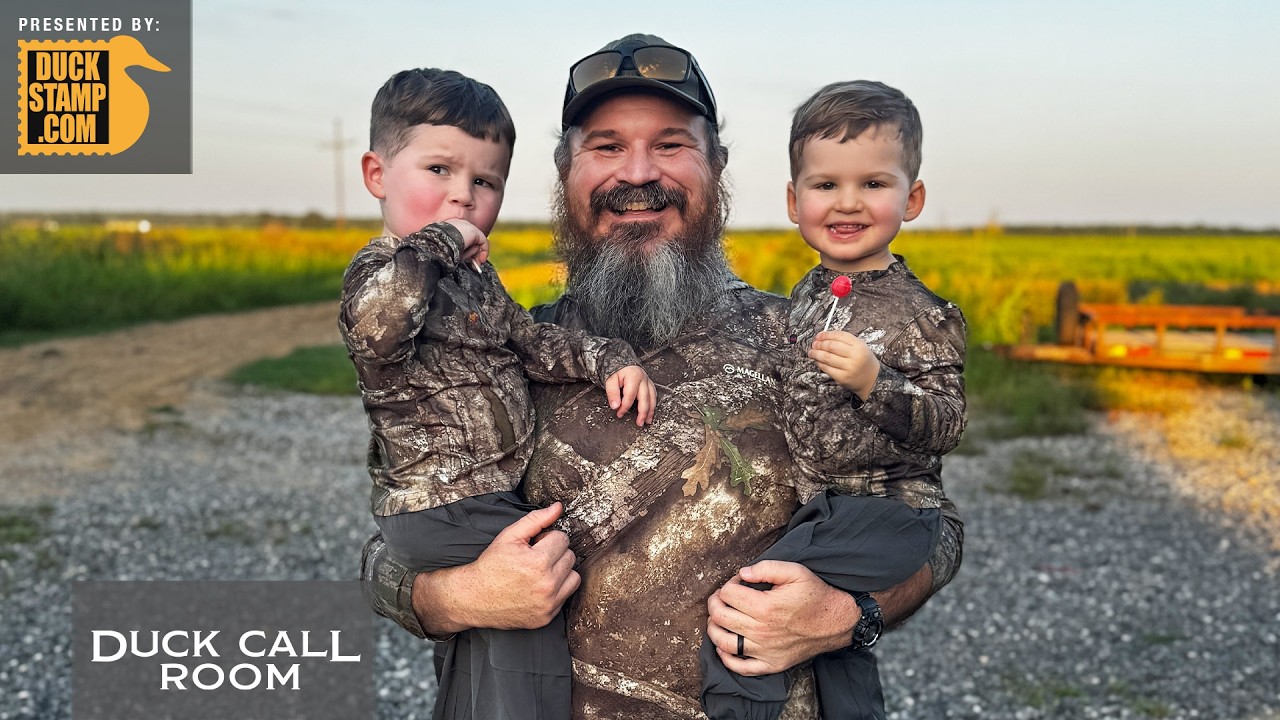
Nutrafol read on Duck Call Room, episode 483
For a host-read here, keep the handoff natural. Let the host set it up in their own voice before the offer lands, so the transition out of the banter doesn't feel like a hard cut to a commercial. Lead with one clear benefit, then the code or URL once, said slowly, and repeated at the end. Give the audience a reason to act now rather than later, since a coded offer with no urgency leaves the conversion to chance. Don't bury the promo code in the middle of a sentence where a distracted listener misses it. Say what the thing does, say who it's for, then say exactly how to get it.
View what a great sample ad looks like here.
What makes a show like this convert
- The format does the selling. A host-read that sounds like the show keeps listeners in their seats through the break, which is why the DR share sits in the high 90s.
- Host credibility carries the offer. The Duck Commander name and a 4.9 Apple rating mean the recommendation lands as a friend's tip, not a paid slot.
- The audience is the right audience. An estimated 140,000 US listeners who lean into health, home, and the outdoors match the products already winning here.
- Repeat buying proves the math. PhD Weight Loss running roughly 12 to 14 ads isn't a test; brands only come back that often when the numbers work.
Duck Call Room in a nutshell
The audience is largely male but broad, younger, middle to upper-middle income, and almost entirely US-based, drawn to hunting, faith, family, and Southern life. The brands already buying, PhD Weight Loss, AG1, and Fast Growing Trees, run coded host-reads, while national names like Pepsi and Toyota buy produced spots for reach. The show is sold direct and quoted per campaign, with the Robertson crew controlling the inventory. If your goal is trackable conversions from a loyal, US, family-values audience, this is a direct-response feed first, with awareness reach on the side.
Frequently asked questions
Duck Call Room is sold on a quoted basis rather than a public rate card. Four things move the number: placement (mid-roll host-read prices above pre-roll and post-roll), read type (a host endorsement prices above a produced spot), commitment length (multi-episode flights and category exclusivity price better than a single test), and how close you are to the air date. For market context, a host-read spot on a typical show costs a brand roughly $20 to $30 for every thousand listeners it reaches. In-demand shows clear well above that. The more useful signal for this show is who already buys: PhD Weight Loss has run roughly 12 to 14 ads, alongside AG1 and Fast Growing Trees. Repeat buying at that level tells you more about where a show prices, and what it's worth to the brands buying it, than an outside estimate can.
Ads run on most episodes, so the show is in demand and inventory moves fast. Plan on reaching out sooner than you think you need to.
Plan on about 1 week to book, 2 to 3 weeks to produce and run, plus 2 to 3 weeks of lead time, so roughly 5 to 7 weeks end to end.
Duck Call Room is sold direct rather than through one of the large networks. You can approach the host's representation, Si Robertson and Justin Martin, or book through a platform that already has the show in its inventory. You can view different advertising platforms here.
Yes. Spotsnow data shows the feed is overwhelmingly direct-response, with supplement, health, home, and finance brands running coded host-reads. If you sell a product with a code or a landing page and want a loyal US audience, you'd be in familiar company.
Duck Call Room isn't the only feed reaching this audience. Spotsnow shows which society and culture podcasts have host-read spots open right now, and which brands already buy them.
Get on the last minute spots email list.
Find incredible discounts and opportunities on premium shows.
Get on the last minute spots email list.
Find incredible discounts and opportunities on premium shows.