

How to advertise on Crime Weekly: what it costs, who buys, and how to book

Dishant Miyani
Podcast Ad Analytics Head
Crime Weekly sells its host-read inventory direct, quoted per campaign rather than off a public rate card, because the hosts run and rep the show themselves. Spotsnow attributes roughly 99% of the show's tracked ad activity to direct response, which is about as close to a pure coded-offer feed as a true crime show gets. Its top spender, Wild Grain, has run roughly 14 to 17 ads on the feed, the kind of repeat buying you only see when the math is working. For a buyer, that mix reads clearly: this is a place to test a code and a URL, not to park a branding play. Spotsnow estimates all of this from tracked advertiser activity, not audience surveys.

The show is Crime Weekly on Spotsnow, and the sections below break down who buys, how the reads run, and how you'd go about booking one.
Why Crime Weekly is built for host-read direct response
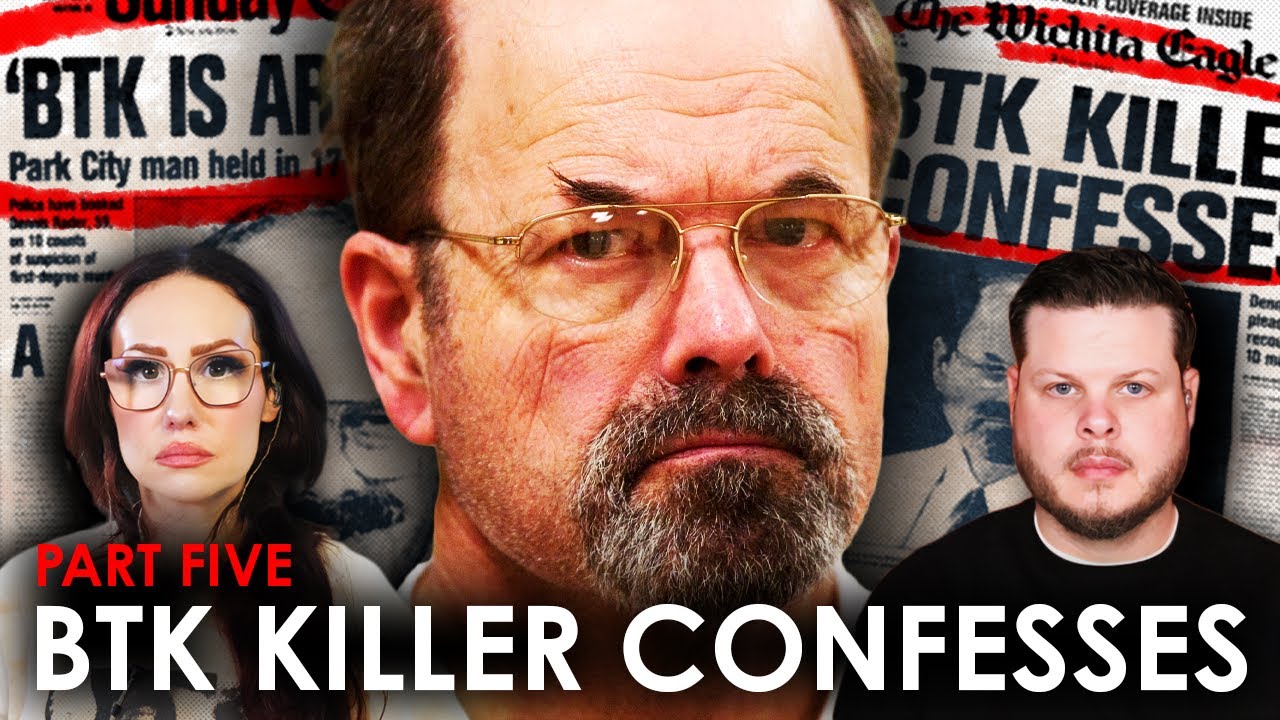
Crime Weekly is co-hosted by Derrick Levasseur, a retired decorated police sergeant and private investigator with 13 years on the job, alongside true crime researcher and writer Stephanie Harlowe. It sits in the true crime category, a genre where trust in the voice behind the mic carries an ad further than production polish does.
Spotsnow attributes roughly 99% of the show's tracked activity to direct response, which tells you what these reads are doing: pushing codes, URLs, and post-purchase attribution. That matters because the format only pays off when a listener stays through the break and acts. Crime Weekly's episodes are long, case-driven, and conversational, and the ad tends to land inside that same flow, read by two people mid-conversation rather than dropped in as a hard cut. A host-read borrows exactly that attention, and this show holds it. Spotsnow estimates the audience at roughly 340,000 listeners, a figure it calls an estimate, not an audited count.
The engagement backs the read. On Apple Podcasts the show holds a 4.7 rating across roughly 9,100 to 10,600 ratings, per Spotsnow social data, and the influence spreads well beyond the audio feed: about 361,000 YouTube subscribers and roughly 85,000 Instagram followers. A video-podcast presence means the same read is seen as well as heard, which is a second surface for a coded offer.
Who is advertising on Crime Weekly
The roster is deep and split cleanly in two: subscription DTC brands that run host reads, and large national advertisers that run produced spots. Spotsnow has tracked roughly 145 to 169 brands on the feed recently. Recognizable names include State Farm, Shopify, Progressive, Mint Mobile, and HelloFresh.
The anchor advertisers, broken down
Wild Grain
Wild Grain sells a bake-from-frozen subscription of sourdough, pasta, and pastry. Spotsnow shows it running roughly 14 to 17 ads with estimated total spend over $50K, classified 100% direct response. It's the show's top spender by a clear margin. A comfort-food subscription lands with a stay-in, heavily female audience that treats the feed like a weekly ritual.
Helix
Helix sells personalized mattresses and sleep products. Spotsnow shows roughly 10 to 12 ads and estimated total spend over $40K, again 100% direct response. The read leans on years of personal use, which is why sleep-and-home products fit a cozy, at-home listener so well.
Smalls
Smalls sells fresh, human-grade cat food on subscription. Spotsnow shows roughly 6 to 7 ads and estimated total spend over $30K, 100% direct response. A care-oriented pet subscription maps neatly onto a domestic, pet-owning audience that skews female.
The awareness outlier
Not everything here is coded. Large national advertisers like State Farm, Progressive, and Caesars Sportsbook run produced spots on the feed, chasing reach and association rather than a tracked click. It's proof a different objective can work on this show, even if the bulk of the money is chasing conversions.
| Brand | Est. total spend | Direct-response | Time of spend (last 1 year) |
|---|---|---|---|
| Wild Grain | over $50K | Yes, 100% | Dec 2025 to Jul 2026 |
| Helix | over $40K | Yes, 100% | Nov 2025 to Jul 2026 |
| Smalls | over $30K | Yes, 100% | Nov 2025 to Jul 2026 |
All spend figures are Spotsnow estimates.
Why true crime brands cluster here
A retired police sergeant and a career researcher pull an audience that shows up for expertise, and expertise is contagious. When a host who breaks down forensic evidence for a living tells you a mattress fixed his back or a bread subscription is what he actually eats, the endorsement carries the same credibility the case analysis does. That's the through-line in the roster. The subscription brands winning here (food, sleep, pet care) all sell into a home, and this audience skews young to middle-adult, heavily female, mostly middle-income, and concentrated in the US. It's a listener who runs errands with the show on, orders things to the door, and trusts the two voices she's spent hours with. Direct-response brands aren't guessing at that fit. They're buying it back, flight after flight, because the codes come in.
How your ad could sound
Here's a real host read for Helix, one of the show's anchor advertisers, so you can hear the format before you buy it.
Helix host-read on Crime Weekly
What works: the read opens on a personal, first-person hook ("I've had mine for a while now, over 5 years. It's still the best sleep upgrade I've ever made"), which is exactly the frame a host endorsement should use. The two hosts hand off naturally, the offer is clean ("27% off sitewide"), and the attribution is reinforced at the end, telling listeners to "enter crimeweekly in the post-purchase survey so that they know we sent you." That closing line is what makes the buy measurable.
Two things worth tightening. The URL gets rushed and garbled in the read ("helixleep.com"), which risks burying the very code the whole spot depends on. And the CTA stacks mattress and pillows into the close, softening a single clear action. If you're writing the brief, slow the URL down and pick one thing to ask for.
View what a great sample ad looks like here.
What makes a show like this convert
- The format does the selling. A host read carries the same trust the case analysis does, so a code lands as a recommendation rather than an interruption.
- The credibility is real. A retired police sergeant reading your offer borrows authority no produced spot can buy.
- The audience is a buyer. Roughly 340,000 estimated listeners, skewing female and at home, is a natural fit for subscription DTC in food, sleep, and pet care.
- The repeat buying proves the math. Wild Grain's roughly 14 to 17 ads on the feed is the tell: brands don't re-book that often unless the return holds up.
Crime Weekly in a nutshell
The audience is estimated at roughly 340,000 listeners, skewing young to middle-adult, heavily female, mostly middle-income, and concentrated in the US, split across a large podcast and YouTube following. The brands already buying (Wild Grain, Helix, and Smalls at the top) run coded host reads, while national names like State Farm run produced spots. The show sells direct, quoted per campaign, with ads running on most episodes. If you're a direct-response brand chasing tracked conversions, this feed is built for you; if you only want reach, it can do that too, but the money here is chasing codes.
Frequently asked questions
Crime Weekly is sold on a quoted basis rather than a public rate card. Four things move the number: placement (mid-roll host-read prices above pre-roll and post-roll), read type (a host endorsement prices above a produced spot), commitment length (multi-episode flights and category exclusivity price better than a single test), and how close you are to the air date. For market context, a host-read spot on a typical show costs a brand roughly $20 to $30 for every thousand listeners it reaches. In-demand shows clear well above that. The more useful signal for this show is who already buys: Wild Grain has run roughly 14 to 17 ads, alongside Helix and Smalls. Repeat buying at that level tells you more about where a show prices, and what it's worth to the brands buying it, than an outside estimate can.
Ads run on most episodes, so the show is in demand and inventory moves fast. Plan on reaching out sooner than you think you need to.
About 1 week to book, 2 to 3 weeks to produce and run, plus 2 to 3 weeks of lead time, so roughly 5 to 7 weeks end to end.
Crime Weekly is sold direct rather than through one of the large networks. You can approach the hosts directly, or book through a platform that already has the show in its inventory. You can view different advertising platforms here.
Almost certainly a neighbor of yours does. The host-read side of the feed is dominated by subscription brands in food, sleep, and pet care (Wild Grain, Helix, and Smalls anchor it), and Spotsnow classifies the show's tracked activity at roughly 99% direct response. If you sell a coded offer to a home, this is a category-native fit.
Crime Weekly isn't the only feed reaching this audience. Spotsnow shows which true crime podcasts have host-read spots open right now, and which brands already buy them.
Get on the last minute spots email list.
Find incredible discounts and opportunities on premium shows.
Get on the last minute spots email list.
Find incredible discounts and opportunities on premium shows.